


You know how quickly things can go from calm to crazy if you’ve ever tried to get a cat into a carrier before a vet visit. One moment, your cat is at ease, and the next, they have vanished, seeking refuge beneath the bed in anticipation of what is to come.
A lot of cats find going to the vet to be too much. New smells, strange sounds, new people, and being touched in ways they’re not used to can all make them scared and stressed. But here’s the good news: you can make it a lot easier for both you and your cat if you do things the right way.
We at Pawrpose think that better care comes with better understanding. This guide shows you simple, useful ways to help your cat relax and make trips to the vet easier and even enjoyable.
Key Takeaways
- Make the carrier part of your cat’s everyday environment
- Gradually get your cat used to being handled
- Stay calm, your energy directly affects your cat
- Reduce stress during travel with simple adjustments
- Choose quieter appointment times when possible
- Reward calm behavior consistently
- Seek professional help for severe anxiety
Consistency is what makes the difference. These aren’t one-time fixes, but habits that build trust over time.
Why Do Cats Get Stressed at the Vet?
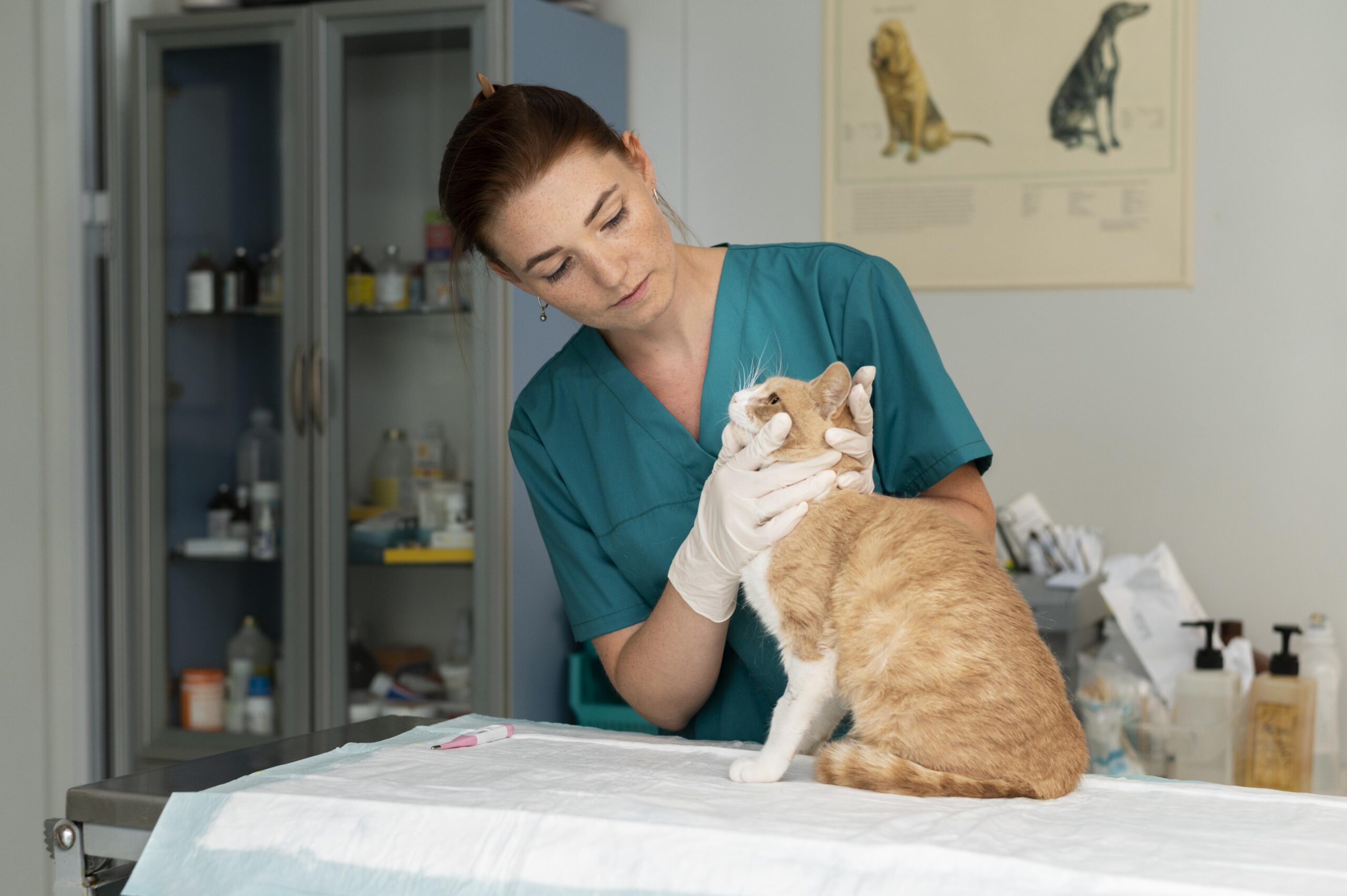
Cats dislike the vet because they prefer routine and control. Going to the vet messes up all of these at the same time. Putting them in a carrier, which they may only associate with bad experiences, and then taking them on car rides and other strange motions can be too much for them. When they arrive at the clinic, loud noises, strange animals, strong smells, and being touched by strangers make them anxious. So, if your cat doesn’t want to be around you, hides, or makes noise, that’s not bad behaviour. It’s just a normal reaction to being in a situation that seems unsafe and new.
Make Sure Your Cat Is Comfortable with Its Carrier
For most cats, getting used to the carrier is usually half the battle. If it only appears when there’s a vet’s appointment, then your cat will probably feel that it brings bad tidings. To change this perception:
- Keep it Accessible: Place the carrier in places within your home where your cat can see and interact with it every day.
- Create a Cozy Spot: Make it welcoming by putting a soft blanket inside.
- Add Positive Reinforcement: Giving them treats or toys, or even sprinkling some catnip on them, can help build up positive associations that are linked to carriers so that they don’t always get scared when they see one.
- Goal: To make the carrier a safe and familiar place rather than a stressful thing
Make Your Cat Used to Being Handled
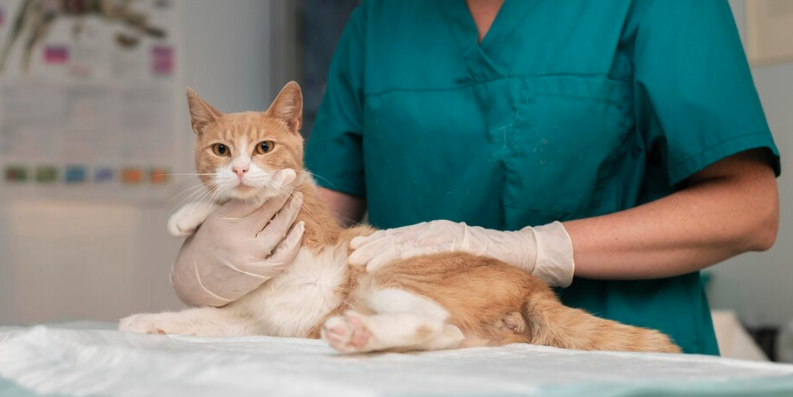
Cats are naturally sensitive about being touched in certain areas such as their paws, ears, or mouth. Unfortunately those are the exact parts a vet will be examining. To help your Cat Feel more comfortable:
- Start by gently touching her at home when she is relaxed.
- Gradually progress to areas like the belly, feet, and ears.
- Combine this handling with positive reinforcement such as giving them some treat or soothing words.
This will make your kitty less reactive to the vet’s touch and reduce its anxiety.If you’re just starting out as a pet parent, you may also enjoy our guide on Building a Strong Bond with your Cat, which complements these tips by helping you establish deeper trust.
Stay Calm and Collect Your Senses
Cats pick up on emotion and energy that you emit – they are highly intuitive beings. In case you’re anxious, your feline friend will likely sense it and respond accordingly. To keep them calm:
- Deep Breaths: Check your own stress levels.
- Speak Softly: Use a gentle reassuring voice to calm down your cat.
- Play Relaxing Music: Try soft calming tunes during the car journey for a peaceful environment.
Make the Car Ride Less Stressful
Getting to the clinic can be just as stressful as the visit itself.
Do this:
- Put a light cloth over the carrier to cut down on visual stimulation.
- Play soft music to make the room feel peaceful.
- Keep the car quiet and steady.
- Make sure the carrier is safe so it doesn’t move around.
Some cats do better with short ‘practice drives’ that don’t end at the vet. This helps get rid of the bad connection.
Choosing the right time for an appointment
Most people don’t realise how important timing is. Clinics that are busy can be loud and stressful, which is bad for cats that are sensitive.
Here are some tips:
- Ask your vet for quieter times, like early in the morning or in the middle of the day.
- When dogs and other animals are around, stay away from busy times.
- If possible, ask for a waiting area that is separate from other pets.
A calmer setting can make a big difference in how stressed you feel.
Use Positive Reinforcement Before and After
Giving your cat a treat changes how they think about the event.
When to give a reward:
- After getting into the carrier
- When things are quiet in the car
- After the visit to the vet
What to use:
- Favourite snacks
- Soft praise
- Time to play when you get home
Over time, your cat may start to think of vet visits as “good” instead of “scary.”
Consult Your Vet for High Anxiety
Even if you do everything you can to help, some cats get very anxious when they go to the vet. In these cases, extra help can really make a difference. Pheromone sprays or wipes, calming treats or supplements made just for cats, and even anti-anxiety medications that your vet prescribes can all help your cat feel more at ease and safe. These choices are especially helpful for cats that are petrified or upset. But it’s always best to talk to your vet before giving your cat anything new to make sure it’s safe and right for their needs.
Create a Calm Post-Visit Routine
What happens after the visit is also important. Your cat might still feel stressed or confused when you return home.
Help them start over:
- Let them have some time to relax.
- Make sure the area is quiet
- Give them food, water, and comfort.
- Don’t give them too much attention.
- Give your cat time to get back to normal.
Common Mistakes to Avoid
Even pet owners who mean well can make things worse without meaning to.
Here are some common mistakes to avoid:
- Taking the carrier out only before vet visits
- Suddenly putting your cat in the carrier
- Getting angry or raising your voice
- Not getting ready and expecting your cat to “just handle it”
- Not paying attention to signs of anxiety
You can completely avoid these problems by making small changes to how you do things.
Final Thoughts
It doesn’t have to be hard to go to the vet.
If you plan, are patient, and stick to your plans, you can completely change how your cat feels about these trips. The goal isn’t to be perfect. It’s progress. We at Pawrpose think that every little thing you do to lower your stress is good for your pet’s health. And when your cat is safe, everything else is easier. Pick one or two of these tips to try today, and then add more as you go. You will see the difference over time, not just at the vet, but also in your relationship with your cat.
Download Pawrpose Now
And if you want personalised feeding guidance tailored to your dog’s breed, weight, allergies, and lifestyle, download Pawrpose and try our Diet AI. It answers diet questions instantly and helps you build a plan that fits your pet’s needs. Pawrpose, the AI App for Pets, helps you understand your dog’s age in human years, health, and behavior better with smart, empathetic guidance. Get tips, track your pet’s well-being, and make every moment with your furry friend safer and happier. Enhance your pet parenting experience today with Pawrpose.
Download Pawrpose, available on Google Play Store and App Store.