


Every pet owner has had it happen. Your dog starts barking for no reason at night. Your cat suddenly hides, eats less, or wants to be with you all the time. You know something is wrong, but you can’t figure out what it is or why. We can’t talk to our pets, and even though we learn to interpret their body language and behaviours over time, a lot still goes unseen.
AI Pet Behaviour Analysis is what you need here. Not as a replacement for human care or instinct, but as a great helper. One that watches for trends, sees subtle changes, and translates raw behaviour into meaningful data.
Things that used to look like science fiction are now part of taking care of dogs every day. AI is helping pet owners better understand their pets’ mental and physical health, which helps them respond more quickly and with greater confidence.
Key Takeaways
-
AI Pet Behaviour Analysis helps translate what your pet can’t say, using data instead of guesswork.
-
It spots small changes early, often before health or stress issues become obvious.
-
Wearables, cameras, and apps work together to track movement, sleep, eating, and vocal patterns.
-
AI doesn’t replace vets or owners, but it gives clearer insights to support better decisions.
-
This technology is becoming a core part of modern pet care, not a futuristic gimmick.
What Is It?
The premise behind AI Pet Behaviour Analysis is that computers can watch animals, learn about them, and make predictions about how they will act. It receives information from devices that many pet owners already use, such as smart collars, home cameras, food monitors, and phone apps.
AI doesn’t just look at a single moment; it examines how people behave over time. It learns what typing, sleep, and even vocalizations could signify stress, pain, disease, or a change in habit.
You may consider it to be a way for your pet to understand what you say.
It not only interprets what your pet is doing, but also what those actions could mean.
How it Works
- Data collection: Mobile apps, home cameras, and wearable technology (such as trackers or smart collars) continuously collect data.
- Behavior Mapping: AI models use behavior mapping to compare your pet’s actions to extensive datasets of typical patterns for that species, breed, and age range.
- Alerts and Suggestions: The system alerts you when something is wrong and may suggest actions or connect you with a trainer or vet.
Some sophisticated platforms can identify changes in gait, pacing, scratching, and tail wagging using computer vision. Others recognise sounds and spot symptoms of pain, aggression, or anxiety.
To explore more about how AI is reshaping pet services, visit our AI Service for Pets guide
Why It’s Important to Analyse AI Pet Behaviour
Pets are always chatting with each other because of what they do. The hardest thing is spotting the small changes in time. AI is brilliant at such tasks since it never gets tired or forgets stuff.
Finding health concerns early on
Small changes in movement, appetite, or sleep are frequent before you can identify the sickness. AI can see these trends early, which provides you time to act before problems grow worse.
How to Handle Stress and Worry
Changes in a pet’s habit, environment, or the way things work in the house can have a big effect on them. AI can find behaviours that show stress early, so you can step in before anxiety gets worse or lasts a long time.
More Help with Training
Training works better when you know how your pet behaves. AI feedback can tell you what works and what doesn’t, as well as whether your pet is too agitated or not interested.
People who own pets can relax
AI monitoring keeps an eye on your pet’s eating, sleeping, and behaviour even when you’re not home. This is particularly useful if you frequently travel or are absent throughout the day.What you discover may surprise you! To see how technology is making everyday pet parenting easier, check out this guide on Pawrpose’s AI-powered pet parenting
Examples from the Real World
- A dog owner discovers that their puppy has been agitated at night. The AI tracker indicates poorer sleep quality and faster pacing. The dog has early-stage arthritis, it turns out.
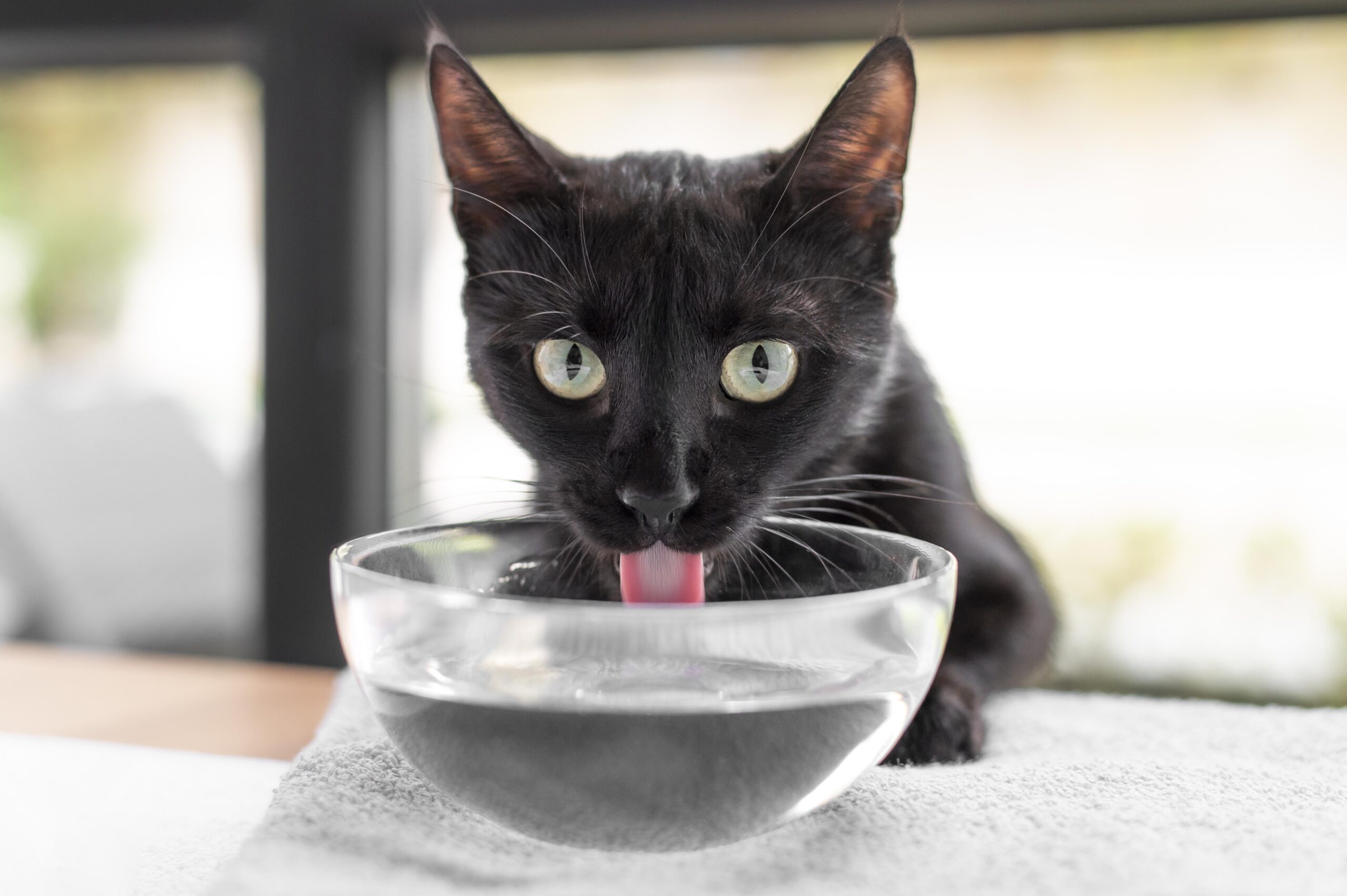
- A cat begins to meow more often. AI analysis links a recent move-induced anxiety to the vocal pattern.
- Pet sitters use AI-powered cameras to ensure the pet stays relaxed and continues its daily activities while the owner is away.

Who is This For?
AI Pet Behaviour Analysis is helpful for all pet owners, but it’s especially helpful for:
- People who have never had a pet before learning how to read their behaviour
- People who own older pets who are showing small signs of health problems
- People who take care of animals that have been rescued or are scared
- People who work a lot and want to feel safe during long days at work
AI is like a second set of eyes for these groups, constantly searching for patterns that people might miss.
To see how AI is reshaping the pet-parent experience for all these groups, check out this Article on 5 Ways AI Is Transforming Pet Parenting in 2025
Limitations to Keep in Mind
Although AI Pet Behaviour Analysis is a useful tool, it cannot take the place of veterinary care or human observation. Consider it a helper that keeps you ahead of the game, not a substitute for your intuition and consideration. Furthermore, accuracy depends on the quality of data. A dirty camera lens or poorly placed tracker won’t give you reliable results. Always follow setup instructions carefully.
Pet Care’s Future
As AI improves better, it will be able to do more and more things for pets. Expect better integration with veterinary services, better emotional recognition, and predictive insights that help stop problems before they start. Imagine getting a clear, veterinarian-ready behaviour report on your phone when something changes instead of trying to remember weeks of vague changes.
Pawrpose’s main goal is to use smart technology to help pets and the people who love them live longer, happier lives. The end goal is not AI pet behaviour analysis. It’s the base.
To learn more about how Pawrpose AI is shaping the future of pet care
Final Thoughts
AI Pet Behaviour Analysis isn’t about turning pets into numbers. It’s about getting to know them better. It helps you notice things sooner, respond better, and care more confidently. Pets may never be able to talk to us, but with the right tools, we can get a lot closer to understanding what they say.
This technology is worth looking into if you want to make pet parenting easier and less guesswork. Taking care of pets in the future won’t be colder or more technical. It gets more caring, more knowledgeable, and more aware with each new piece of information.
Are you prepared to investigate AI-powered pet tools? Take the guesswork out of pet parenting by starting with our carefully chosen suggestions here at Pawrpose, and explore more in our Guide to AI applications for pets
Download Pawrpose Today
Make pet parenting smarter, kinder, and more impactful. Join the movement that’s changing How AI help us to care for our pets, one paw at a time.
Would you like to enhance your journey with our AI-powered pet parenthood app? Pawrpose is available today on Google Play Store and App Store.