


If you’ve ever looked at your dog and wondered how old they are in human years, you’re not the only one. Because age affects everything, dog owners constantly ask this. As dogs get older, their behaviour, energy levels, training needs, diets, and health care change.
The old saying that “1 dog year equals 7 human years” is wrong and out of date. Dogs do not age the same way people do. Dogs grow up very quickly when they are young, but as they get older, they do so more slowly.
This guide makes it easy to understand how we convert Dog year to human years You’ll learn your dog’s age in human years, what each life stage looks like, and how to care for them as their needs change.
Why are Dog years Different From Human years
Dogs grow up quickly. A dog that is one year old is already as strong and smart as a teenager, not a seven-year-old child. The process of getting older slows down and becomes more predictable after those early years.
In general:
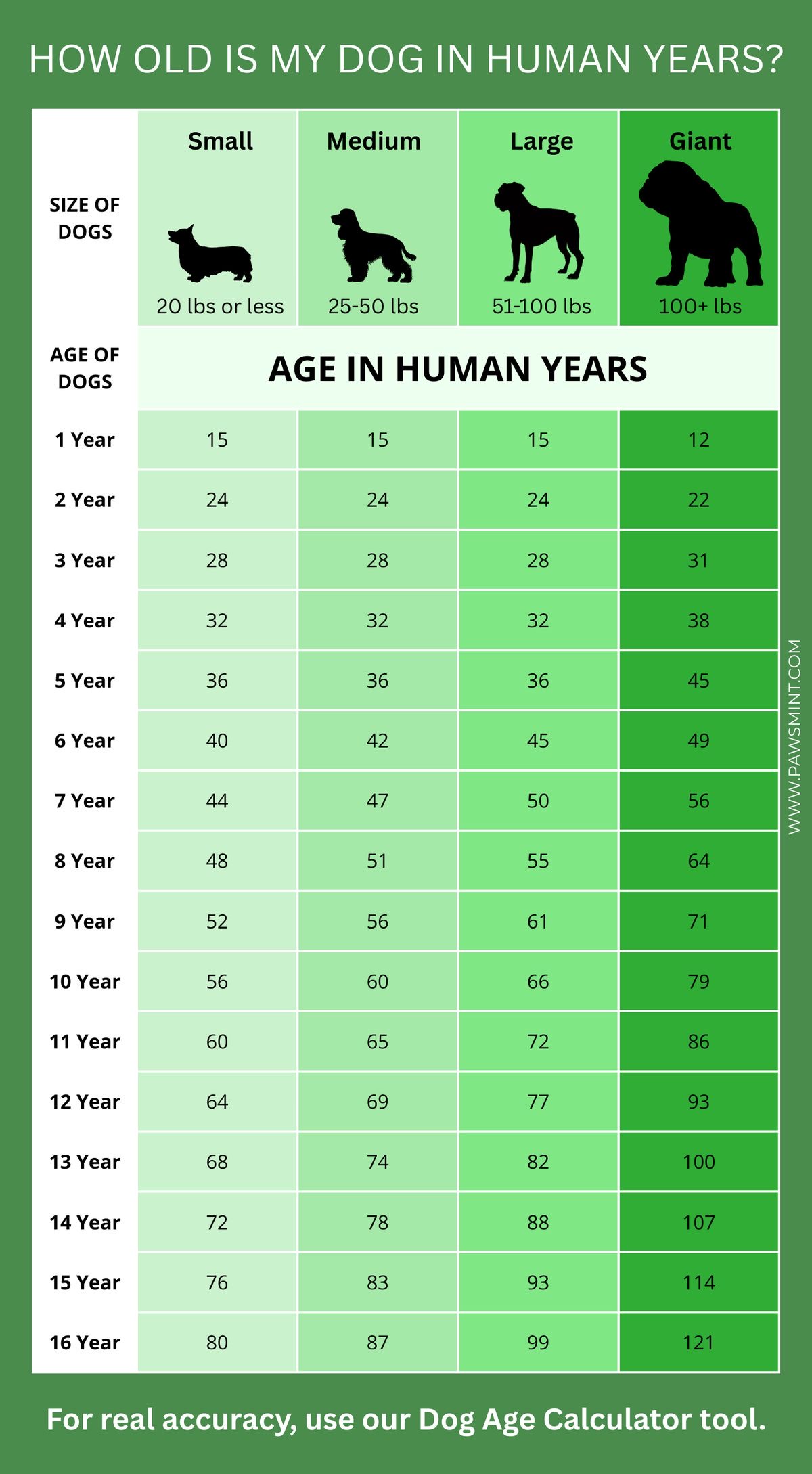
- A dog lives about 15 years in its first year.
- The second year adds about nine more years to a person’s life.
- After they turn two, most dogs age about four to five years for every dog year.
It matters how big it is. Smaller dogs tend to live longer and age more slowly than larger and giant breeds, especially as they get older.
Dog Year to Human Years Chart (General Guide)
Dog Aging Stages
Understanding life stages explains why dogs suddenly calm down, act stubborn, become clingy, or slow down physically, which is where AI-Based Pet Behaviour Analysis can help pet parents identify early changes.
Stage 1: Puppy (0 to 1 year)
What this stage looks like
Puppies’ brains and bodies grow very quickly. They learn how to get along with others, build their self-esteem, and make habits that last a lifetime. This stage puts all of childhood and adolescence into one year.
You might see:
- A lot of energy and not much attention span
- Chewing, biting, and pushing the limits
- A lot of curiosity and quick learning
What owners should pay attention to:
- Training with positive reinforcement
- Getting along with people, dogs, and places
- Good food for growth
- Safe places to chew and play
This stage has the biggest effect on how your dog will act in the future.
Stage 2: Adult (2 to 7 years)
What this stage looks like
Adult dogs are calm. They know how to follow routines and commands, and they feel safe in their surroundings. Even though working and sporting breeds may stay very active, their energy levels are balanced.
You might see:
- Behaviour patterns that can be predicted
- Strong ties to family
- Self-assurance and freedom
What owners should pay attention to:
- Checkups at the vet once a year
- Managing your weight
- Exercise and mental stimulation regularly
- Looking for small changes in behaviour
Dogs are good at hiding pain. Less play, being cranky, or staying away from things can all be signs of discomfort.
Stage 3: Senior (7 to 10 years old and up)
What this stage looks like
Older dogs move more slowly. They might sleep more, move slowly, and like to stick to routines they know. A lot of older people become more caring and focused on other people.
Some common changes are:
- Stiffness when lying down or standing up
- Less stamina
- Fur around the muzzle that is turning grey
- Wanting more comfort and routine
What owners should pay attention to:
Every six months, visit the vet.
- Support for joints and movement
- Simple access to food, water, and places to rest
- Warm rooms and soft bedding
Many dogs can live happy, healthy lives into their teens if they get the right care.
Learn more about: Caring for Senior Dogs
How to Tell if Your Dog Is Going Through a New Stage of Life
Dogs don’t change all at once, but they do give quiet signs that their needs are changing.
From Puppy to Adult
- Less messy play
- Better focus
- Weight and appetite that stay the same
- Clear traits of personality
From Adult to Senior
- Not sure when to jump or climb stairs
- Longer time to recover after activity
- More sleep
- Slower grooming or moving
A vet should always check for sudden or extreme changes.
Does the size or breed of a dog affect how quickly it ages?
Yes, a lot.
- Small dogs tend to live longer and get older more slowly.
- Big and giant dogs grow up quickly and reach their senior years sooner.
- Mixed-breed dogs offer advantages over their breed type.
Lifestyle is more important than breed or size. Dogs that receive regular veterinary care, nutritious food, exercise, dental care, and mental stimulation tend to live longer and age more gracefully.
How Long Do Dogs Usually Live?
-
Small dogs: 12 to 16+ years
-
Medium dogs: 10 to 14 years
-
Large dogs: 8 to 12 years
Some dogs live well beyond these averages with good care and a healthy lifestyle.
Final Thoughts
If you know How Many Dog years equal one human year, you can better understand your dog’s life. It tells you how they act, how much energy they have, and what health care they need at each stage. Each stage has its own benefits, from the wild excitement of puppyhood to the calm wisdom of old age.
It’s easier to take good care of your dog and enjoy every stage of their life if you understand their true Dog year to human years. Knowing this allows you to tailor exercise, diet, and mental stimulation to keep your furry friend healthy and happy.
Download Pawrpose Now
And if you want personalised feeding guidance, tailored to your dog’s breed, weight, allergies, and lifestyle, download Pawrpose and try our Diet AI. It answers diet questions instantly and helps you build a plan that fits your pet’s needs. Pawrpose, the AI App for Pets, helps you understand your dog’s age in human years, health, and behaviour better with smart, empathetic guidance. Get tips, track your pet’s well-being, and make every moment with your furry friend safer and happier. Enhance your pet parenting experience today with Pawrpose.
Download Pawrpose, available on Google Play Store and App Store.