


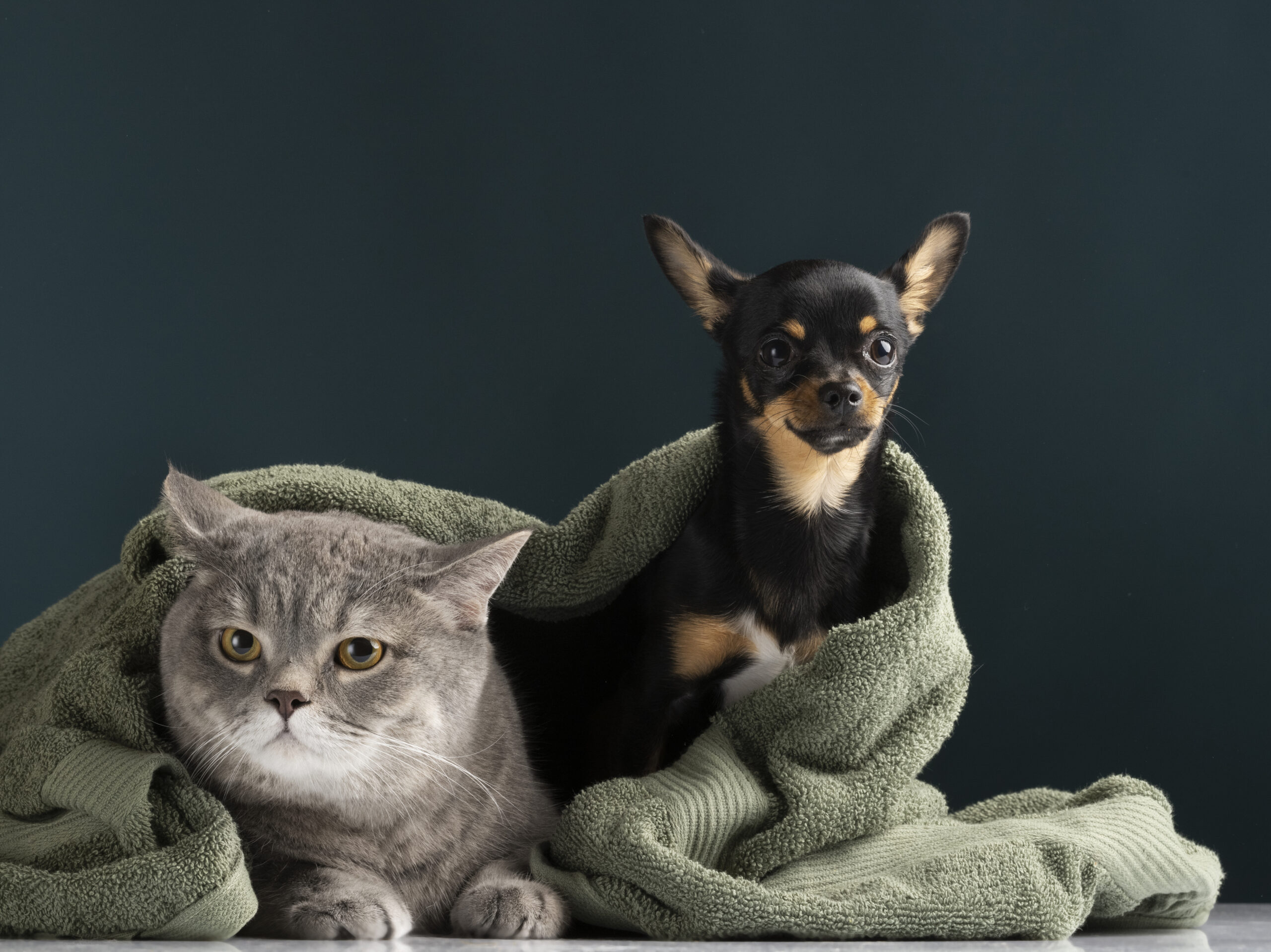
You might have noticed a change in your pets’ behaviour if you brought home a new puppy, adopted a kitten, started a new relationship, or even spent more time on your phone than usual. They act more clingy. Or far away. They might knock things off the table. They might look at you while you pet another animal.
And the question comes up: Is my pet jealous?
The short answer is? Yes, in their own way.
Dogs and cats may not feel jealous like humans, but they react when they feel left out, replaced, or unsure of their place in your life. Knowing the signs can help you be patient instead of angry.
Let’s look at the real signs that your dog or cat might be feeling left out and what you can do about it.
If you want to track your pet’s emotional changes, using tools like Pet Mood Tracker can be very helpful.
Do Pets Really Feel Jealousy?
Studies have shown that dogs act jealous when their owners show affection for something else, even a stuffed animal. Cats are more subtle but very sensitive to changes in their routine and attention.
Pets are less likely to be jealous out of spite and more likely to be jealous out of fear. Dogs are pack animals and are naturally aware of how people interact with each other. Cats like things to be predictable and are territorial. They react when something makes them feel unsafe. When we think someone is jealous, they are usually trying to get attention, are anxious, and want to protect their relationship with you.
Is My Pet Jealous? Understanding Why Dogs and Cats Feel Left Out
1. Suddenly Clingy or Extra Demanding
A sudden rise in clinginess is one of the clearest signs that your pet feels left out. A dog that used to sleep soundly across the room may now follow you around all the time. When you start working, a cat that usually likes to be alone might insist on sitting right on your laptop.
This kind of behaviour happens a lot when someone else gets their attention. Your dog might push between you and another dog if you pet them. Your pet might nudge, paw, or make noise until you pay attention to them if you’re holding a baby or talking to your partner. It’s not by chance. It’s a clear attempt to reconnect and reclaim your focus.
2. Acting Out or Breaking House Rules
Some pets exhibit behavioral issues when they don’t feel secure. When a new baby comes, a well-behaved dog might suddenly start chewing on shoes. Your cat may start knocking over your houseplants even though they never touched them before.
Most of the time, these actions aren’t about getting back at someone. Instead, they often try to get people’s attention again. Even negative reactions can occasionally be better than ignoring them. If your pet perceives your sudden attention as bad behavior, the pattern may repeat.
Instead of punishing them harshly, it’s better to redirect their energy and encourage good behavior. A structure that is calm works better than scolding.
3. Guarding You or Their Resources
Jealousy might sometimes manifest as guarding your things. If another pet comes close while you’re caressing a dog, the dog can tense up. A cat might stop another animal from getting on your lap by putting its body in the way.
Feeling insecure is typically what makes people act this way. Your pet can be afraid of losing something vital, like their food dish, your attention, or a preferred spot to sleep. You might first notice tiny changes in body language, such as standing up straight or loitering around. If you don’t pay attention to it, it could snarl or swat.
Setting up distinct feeding facilities, dedicated spaces, and controlled attention time can greatly reduce this stress.
4. Withdrawal or Quiet “Sulking”.
Not all jealous actions are loud. Some pets go the other way and pull away.
Your dog might not greet you at the door anymore. Your cat may hide more often or not want to cuddle like they usually do. They might pick places to rest that are far away or not look you in the eye.
This kind of answer is often a sign of stress or confusion. They don’t fight for attention; they back off. It’s easy to miss because it’s not as loud as destructive behaviour, but it deserves just as much care.
You can use AI Pet Behaviour Analysis to detect subtle behavioural changes early.
5. Regression in Training
If your house-trained dog suddenly has accidents inside or your litter-trained cat starts missing the box, think about what has changed in your home recently. Moving, getting a new pet, getting a new partner, or changing your schedule can all cause regression.
Pets need routine to feel safe. When that routine changes, anxiety can get in the way of training that was going well before. They haven’t forgotten what they learned, though. A lot of the time, it means they’re stressed out or upset.
Over time, rebuilding structure and consistency usually brings back stability.
6. Increased Vocalization
Some pets get louder when they think they’re not included. When you hug someone or talk to another animal, your dog might bark. How To Understand Dog Barks can help you decode this behaviour. When you’re on the phone or working, your cat might meow a lot.
The time is important. If the vocalisation occurs when you are not paying attention, it is likely because the animal needs reassurance. They’re getting involved in the situation in the only way they know how.
Recognising them calmly without adding to the noise helps keep things balanced.
7. Over-the-Top Excitement When You Return
Getting really excited when you get home is another sign of insecurity. Many pets are naturally happy to see their owners, but an over-the-top reaction can mean that they are looking for comfort and relief.
Your dog might jump too much or not want to leave your side. Your cat might sniff you carefully, as if to see where you’ve been. This behaviour can be very obvious if you’ve been around other animals.
It’s their way of making sure the bond is still strong.
Why Pets Feel Left Out
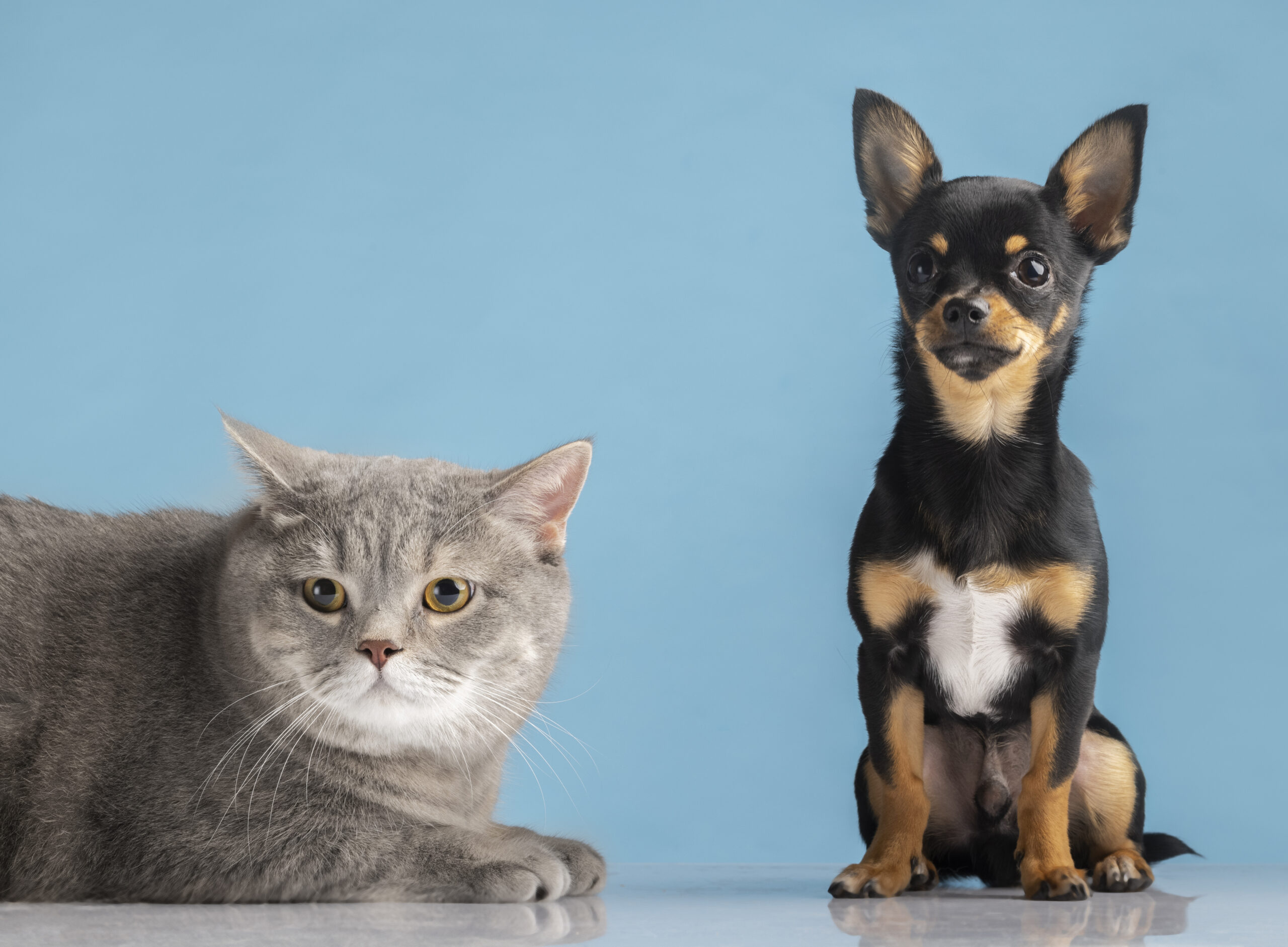
Pets build their emotional world around routine and being with other people. They notice when something changes. Getting a new baby, adopting a pet, starting a relationship, or even changing your work hours can all throw off the balance they are used to.
Dogs are very sensitive to changes in the hierarchy of their pack. Cats really like having their space and knowing what to expect. Change can feel scary for both of them until they get used to it.
Fortunately, most pets thrive when provided with structure and comfort. Pet Parenting Tips – Part 2 provides more strategies to help your pet adjust.
How to Help a Jealous Dog or Cat Feel Secure
Your pet doesn’t need many things to feel safe. Being consistent and paying attention on purpose can definitely help.
Set aside time for just the two of you every day, even if it’s only fifteen minutes of focused play or a quiet walk. Do your best to keep to your meal and activity plans. Give each one its own bed and food dish to cut down on competition.
Most importantly, say thank you for staying calm. Give your pet a treat or praise when they stay quiet while you talk to someone else. They will learn that sharing attention is a good thing, not a bad thing, over time.
If your pet’s behaviour gets worse and they become violent or very angry, stop eating, or start doing things that hurt them, you should talk to your vet or a certified animal behaviourist. Sometimes, you might need help from a professional, especially if your life is changing a lot.
The AI Pet Behaviour Analysis tool can also give insights into behaviours that might need professional guidance.
Final Thoughts
If your pet seems jealous, it doesn’t mean you did something wrong. It usually means they care a lot about their relationship with you.
We are the ones who keep dogs and cats safe, stable, and connected. When they don’t know what to do, they do what they know. Sometimes really loud. Sometimes in a quiet way.
Most pets will regain their confidence with time, structure, and reassurance. And in the end, your bond usually gets even stronger.
Download Pawrpose Now
And if you want personalised feeding guidance, tailored to your dog’s breed, weight, allergies, and lifestyle, download Pawrpose and try our Diet AI. It answers diet questions instantly and helps you build a plan that fits your pet’s needs. Pawrpose, the AI App for Pets, helps you understand your dog’s age in human years, health, and behaviour better with smart, empathetic guidance. Get tips, track your pet’s well-being, and make every moment with your furry friend safer and happier. Enhance your pet parenting experience today with Pawrpose.
Download Pawrpose, available on Google Play Store and App Store.