


Almost half of American homes use digital tools to keep an eye on their pets, but many people are still confused by common myths that are passed off as health advice. It can be hard for pet parents everywhere to figure out if a sudden change in mood is just stress or a real medical problem. This guide clears up misunderstandings, explains real pet symptoms, and gives you reliable ways to help your pet stay healthy, including smart use of AI.
Key Takeaways
| Understand Pet Symptoms | To promote proactive pet care, distinguish between genuine health issues and common misconceptions. |
| Monitor Health Indicators | Regularly monitor your pet’s demeanour, appetite, and energy levels to identify any potential health issues early. |
| Utilize AI Technology | Leverage AI tools for early detection of health issues, but combine their insights with professional veterinary care. |
| Recognize Warning Signs | Beware of persistent symptoms or sudden behaviour changes that may indicate serious medical conditions that require immediate attention. |
What pet symptoms are, and what myths are common
You need to be able to recognise the difference between true medical symptoms and popular falsehoods to know how healthy your pet is. Many pet owners don’t know what their pets are trying to communicate, which often leads to Common Behaviour Problems in Cats and Dogs that are misunderstood as health issues.
Different types of pets display distinct signs of sickness, and if you don’t know what these signals mean, you could make someone worry or delay care. When dogs and cats are in pain, they modify how they act, eat, sleep, and look. You need to know both the typical differences and the warning flags to completely appreciate something. For instance, if you eat a bit differently, it could signify you’re a little worried, or it could be an indication of a more serious health concern that needs to be checked out by a vet.
Because of common misunderstandings, pet owners often have problems figuring out what their pets are sick with. Many people think that a warm, dry nose always signifies a fever, or that unwell animals will instinctively ask for help. People may not obtain medical assistance in time because of these wrong ideas. Veterinarians stress the need to know the signs of good health for each species and to check on their health on a regular basis. Maintaining responsible pet care involves monitoring your pet’s weight, monitoring any unusual symptoms, and observing any patterns in their behaviour.
Tip: Keep a weekly log of your pet’s feeding patterns, energy levels, and any odd behaviours to help you notice possible health problems early.
Recognising Different Kinds of Pet Health Problems
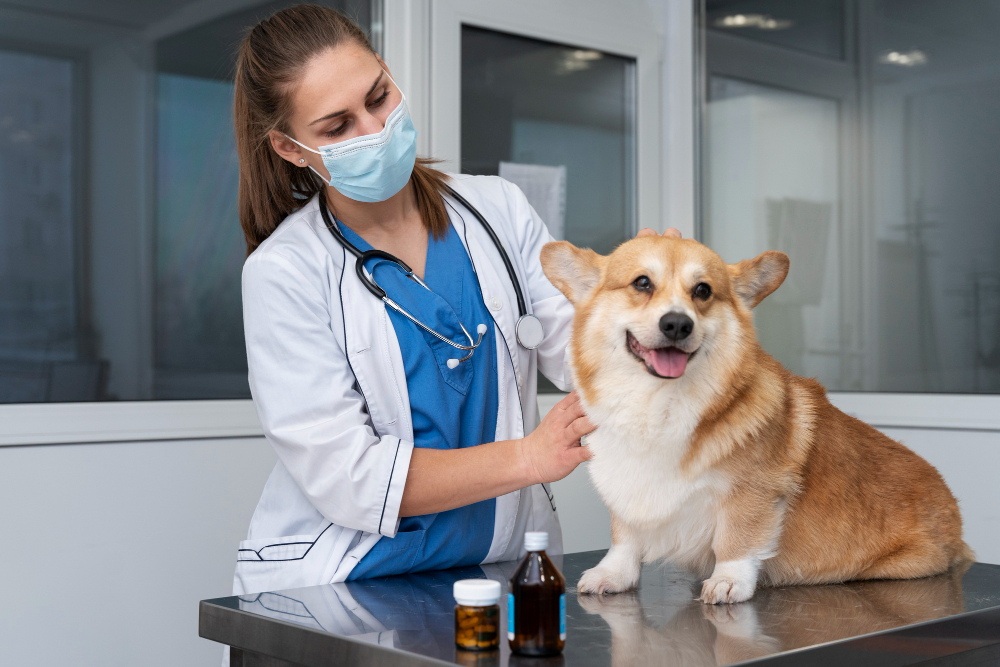
To find health problems in pets, you need to learn how to look for physical and behavioural symptoms in different kinds of animals. Veterinary experts advise pet owners to closely monitor a few key groups of symptoms, despite their potential differences. You should take care of common dog health concerns as soon as you see clear changes in how the dog acts and looks.
When a pet is sick, the indicators usually fall into one of five basic groups: changes in behaviour, changes in the body, digestive difficulties, breathing problems, or problems with the brain. Examples of bodily changes include unexplained weight loss, skin problems, lumps or growths, changes in coat texture, and visible wounds. Changes in behaviour can show up as sudden rages, sleeping too much, not wanting to do typical things, or big changes in how people talk to each other. Common digestive symptoms include changes in appetite, frequent vomiting, diarrhoea, or trouble eating.
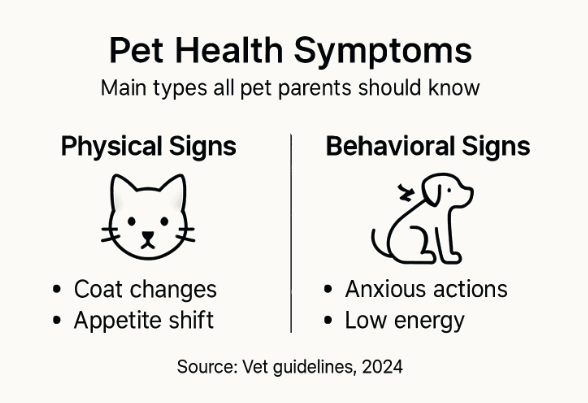
Pet owners should also be worried about their pets’ breathing problems. If you have a continuous cough, wheezing, problems breathing, or a runny nose, you may have a respiratory infection or something worse. Seizures, bewilderment, abrupt weakness, tremors, or unusual head tilting are all signs of a neurological problem. Pet owners can recognise the difference between slight changes in their pet’s health and major medical problems that need to be treated by a vet by knowing these sets of symptoms.
Pro tip: Maintain a baseline health record for your pet, which should include their regular behaviours, food habits, and energy levels. This will help you notice any changes in their health more precisely.
Behaviour changes vs. symptoms of a health issue
It’s important to keep a careful eye on your pet’s health and Tracking your Pet’s Mood can help you tell the difference between normal behaviour changes and dangerous medical warning signs. When dogs experience seasonal allergies, they may act differently. The shift might sound scary at first, but with the right veterinary care, it’s usually simple to deal with. It’s important to see a doctor once, even if not all changes in behaviour mean a major health problem.
Some changes in behaviour could be a sign of minor stress or getting used to a new place. This includes changes in sleep patterns that last for a short time, not wanting to eat, being less active for a short time, or emotional fluctuations. These usually go away in a few days and don’t damage your health at all. On the other hand, medical warning signs are more serious problems that could mean there are health problems going on. Some of them are long-lasting changes in behaviour, like being very sleepy for more than 24 hours, being unexpectedly hostile, not eating or drinking, losing a lot of weight quickly, making strange noises, or showing signs of physical pain.
The length, severity, and other physical indications that come with them are important differences between normal behaviour and medical problems. When a dog is nervous, they often pace or whimper for a short time. But if your dog is always scared and trembling, breathing too hard, or has inexplicable health problems like vomiting or diarrhoea, it could mean that something is wrong with them. Veterinarians say that keeping track of when, how long, and how often your pet’s behaviour changes will help you better understand their health problems.
Tip: Write down everything your pet does every week, even if it’s something strange. This can help you and your vet spot any possible health trends more easily.
| Type of Change | Typical Features | When to Worry |
| Normal Behavior | Short duration, resolves in days | Usually linked to mild stress or the environment |
| Medical Warning | Persistent, intense, physical symptoms present | Lasts over 24 hours, impacts eating, mobility |
How AI Can Help Us Understand Pet Symptoms
Artificial intelligence has transformed how we take care of pets by offering us new tools to check on their health and AI Pet Behaviour Analysis helps identify subtle changes in mood and health that humans often miss. AI systems can now employ massive veterinary datasets and machine learning to explain very minor changes in pets’ health and behaviour in great detail.
Artificial intelligence (AI) can look at many different types of data at once. They look at things like historical health records, keeping track of symptoms as they happen, and patterns of conduct. These high-tech technologies can find minor alterations that individuals might not see. This procedure helps us build a full health profile for each pet. For instance, AI systems can find early symptoms of health problems by observing modest variations in how much sleep, energy, movement, and eating you do. These changes may indicate the need to address health issues before they worsen.
Is AI becoming better?
AI is becoming better at generating diagnostic tools all the time by using machine learning and veterinary knowledge together. AI-powered solutions can keep an eye on things all the time and provide you with immediate feedback. This is different from traditional diagnostic approaches, which only entail talking to a vet. These tools help pet owners make sensible choices about their pets’ health by bridging the gap between ordinary pet care and professional veterinarian treatment. AI systems can assist pet owners in picking the best medical care by looking at a lot of data and learning from millions of pet health situations.
Tip: Use AI-generated health information along with regular trips to the vet to thoroughly and proactively take care of your pet’s health.
The table below summarises how AI and traditional veterinary care complement each other when monitoring pets’ health:
| Approach | Strength | Limitation |
| AI Monitoring | Detects subtle, early changes | Not a substitute for exams |
| Veterinary Care | Expert diagnosis and treatment | Limited by visit frequency |
When to seek help and what could go wrong if you don’t understand
Pet owners must distinguish between minor issues and serious medical emergencies. Uncertainty about their pet’s condition could jeopardise their health. AI service for pets can provide you with advantageous information, but it can’t replace the advice of a vet in serious health circumstances. If you don’t comprehend anything accurately, it could cause you to panic or delay therapy. This shows how vital it is to think carefully about your choices.
You should take your pet to the doctor immediately if they show any of the following indicators for more than 24 hours: unexpected changes in behaviour with physical pain, unexplained weight loss, breathing problems, uncontrolled bleeding, seizures, extreme lethargy, or signs of severe pain. These indications are more than just usual modest changes in health; they could signal illnesses that are life-threatening. You can get some initial information from digital tools and AI technologies, but they should never replace a doctor’s evaluation. Pet owners need to understand how to use both old-fashioned and new technology in a wise way.
You need to know a lot about your pet’s baseline health and possible risk factors to figure out what their symptoms signify. How health is measured depends a lot on the person’s age, breed, any preexisting illnesses, and the surroundings. Veterinarians recommend keeping careful health records, watching for tiny changes, and getting to know a veterinarian you trust who knows your pet’s medical history. You can acquire more information from digital technologies, but the best approach to get an accurate diagnosis and treatment is still to go to the doctor.
Tip: Create a digital health folder for your pet that keeps track of their symptoms, habits, and trips to the clinic. This will speed up and improve medical consultations.
Advice on how to use symptom checker apps
When you use AI to assist with pet care, you need to be mindful about how you use digital health technologies. Apps that check for symptoms can help you create a positive first impression, but you must exercise caution and understand their use to avoid misunderstandings. Pet owners should remember that these internet services aren’t the only method to seek medical treatment. They should know what they can and can’t do fairly.
There are a few things you should remember when you use symptom-checking applications. First, check to see if the app was built by vets you can trust who have access to big medical databases and machine learning algorithms. Tell the vet exactly what your pet’s symptoms are, like how long they’ve been going on, how serious they are, and whether their behaviour has changed. Don’t use imprecise phrases. Instead, give the algorithm specific, quantitative information that will help it make better health choices. Check the app’s options against your pet’s age, breed, medical history, and any health issues they may be having right now.
Don’t rely on symptom checker apps to tell you what’s wrong; consider them to be a second set of eyes.
The finest applications for checking symptoms have many ways to diagnose, using both the experience of veterinarians and the latest technologies. Most of the time, these tools will give you various risk evaluations, from suggestions that aren’t too dangerous to warnings that you need to get to the doctor right now. Pet owners should pay special attention to apps that let them know when their pet needs to see a vet. Users will better understand the results if they know how the app works, where it gets its data, how it uses machine learning models, and how accurate its diagnoses are.
Tip: It’s a good idea to take screenshots of the results from the symptom checker app and create a digital health record so your vet has all the information they need.
Pawrpose can help you throughout your journey as a pet parent.
It can be hard to interpret your pet’s symptoms, and you may misinterpret them. This blog highlights the importance of paying attention to subtle changes and avoiding common misconceptions that hinder care. Pawrpose has a wonderful answer for pet owners who wish to use accurate AI-driven insights to learn more about their pet’s mood and health habits.

Use an app that actively monitors your pet’s health by tracking changes in behaviour and symptoms. Currently, go to Pawrpose: AI Pet Parenting App That Understands Your Pet’s Mood to get tailored guidance that will help you make smarter decisions and act quickly. Don’t allow doubt to stop you when your pet’s health is on the line. Start taking care of your pet today with Pawrpose’s cutting-edge AI technology.
Download Pawrpose Now
And if you want personalised feeding guidance, tailored to your dog’s breed, weight, allergies, and lifestyle, download Pawrpose and try our Diet AI. It answers diet questions instantly and helps you build a plan that fits your pet’s needs. Pawrpose, the AI App for Pets, helps you understand your dog’s health better with smart, empathetic guidance. Get tips, track your pet’s well-being, and make every moment with your furry friend safer and happier. Enhance your pet parenting experience today with Pawrpose
Download Pawrpose, available on Google Play Store and App Store.