


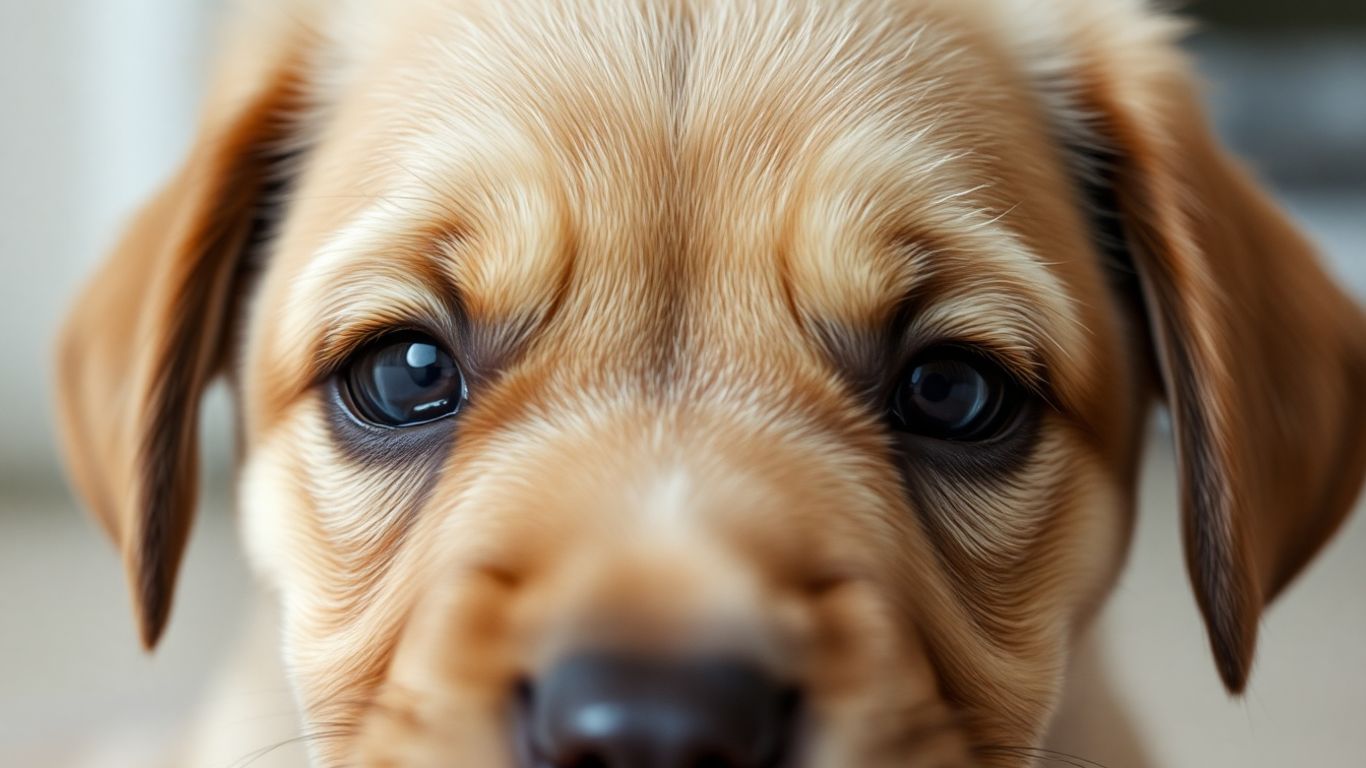
Seeing goop or crust around your dog’s eyes can be a little alarming, right? You start wondering, why does my dog have eye boogers? It’s a common thing many dog owners notice, and it can range from totally normal to a sign that something needs attention. Let’s talk about what might be going on with your furry friend’s eyes and what you can do about it.
Key Takeaways
- A small amount of dried discharge in the corner of your dog’s eyes, especially after sleeping, is usually normal and can be wiped away gently.
- Changes in discharge, like a sudden increase, or if it becomes thick, yellow, or
- green, could mean an infection or other issue that needs a vet’s check.
- Other signs to watch for include redness, swelling, pawing at the eyes, squinting, or a change in your dog’s vision.
- Veterinarians diagnose eye discharge by examining your dog, asking questions, and sometimes doing special eye tests to find the exact cause.
- Treatment depends on the cause and might include medication, allergy management, or even surgery for structural problems, but always follow your vet’s advice.
Understanding Why Does My Dog Have Eye Boogers
It’s a common sight for dog owners: those little crusty bits that show up in the corners of your dog’s eyes, especially after a nap. We often call them “eye boogers,” and while they can be a bit unsightly, they’re not always a cause for alarm. Understanding what’s normal and what’s not is key to keeping your furry friend’s eyes healthy.
Normal Eye Discharge vs. Concerning Discharge
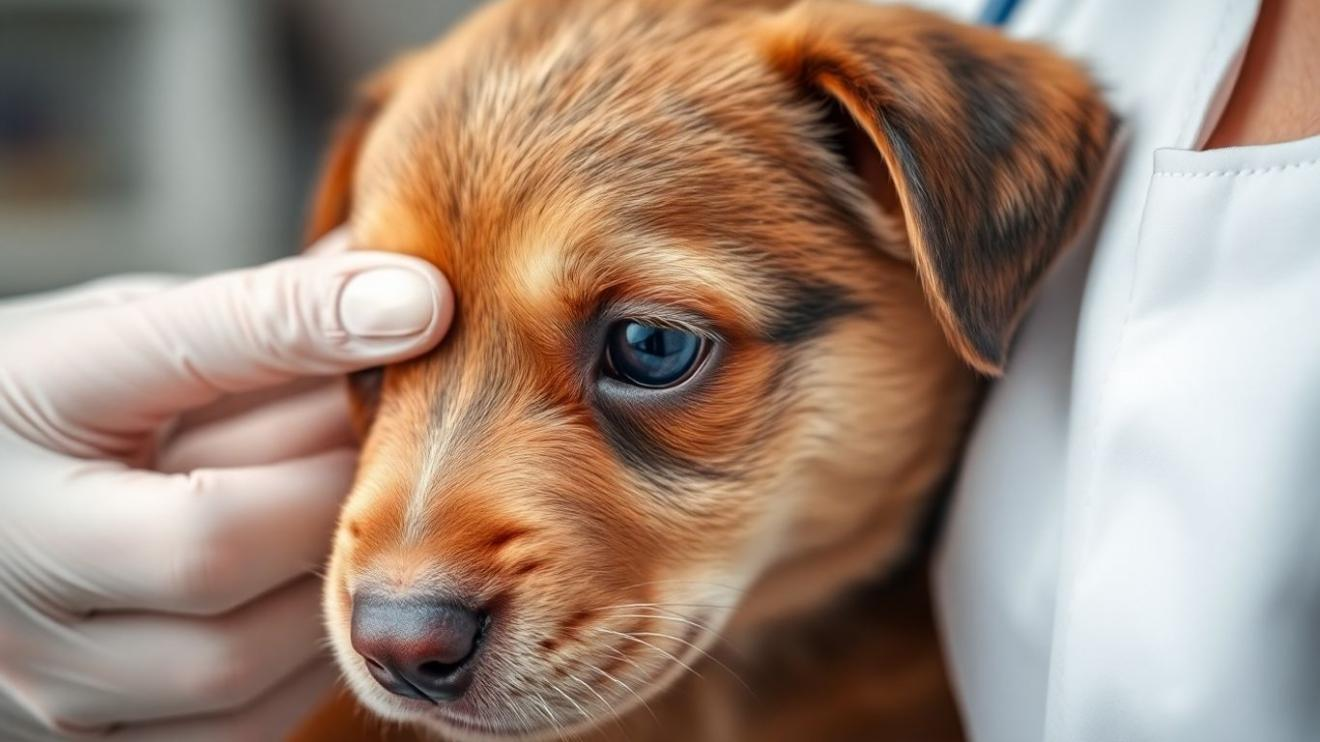
Think of tears as your dog’s eyes’ natural cleaning crew. They wash away dust, debris, and anything else that might get in there, keeping the cornea healthy. Normally, these tears drain away through small ducts. What we see as “eye boogers” are usually just dried tears, a bit of oil, dead cells, and maybe some dust that didn’t quite make it down the drain. These are typically clear or a light brownish color and are most noticeable in the morning. As long as the amount is consistent and your dog isn’t showing any signs of discomfort, it’s likely just normal gunk.
However, things get concerning when the discharge changes. Look out for:
- Color: Yellow or green discharge often points to an infection.
- Amount: A sudden increase in discharge, whether watery or thick, warrants attention.
- Consistency: Pus-like or bloody discharge is a red flag.
- Accompanying symptoms: Redness, swelling, squinting, excessive blinking, or pawing at the eyes are signs your dog is uncomfortable.
If you want a simple, vet-backed breakdown of why dogs get eye boogers, you can also read this helpful guide on dog eye boogers explained by Petfolk.
Common Causes of Eye Boogers
So, what makes those boogers appear in the first place? Sometimes it’s as simple as environmental factors. A gust of wind carrying dust, pollen from blooming flowers, or even just a bit of irritation from shampoo can cause your dog’s eyes to water more than usual. This increased tear production is the body’s way of flushing out the irritant. For light-colored dogs, you might also notice reddish-brown tear stains, which are caused by a pigment called porphyrin in the tears reacting with air. While often just a cosmetic issue, it’s good to keep an eye on any changes in tear staining
Other common culprits include:
- Allergies: Just like people, dogs can have allergies to pollen, dust mites, or even certain foods, leading to watery eyes.
- Foreign bodies: A tiny piece of debris, an eyelash, or even a blade of grass can get stuck in the eye, causing irritation and discharge.
- Blocked tear ducts: If the drainage system gets clogged, tears can overflow.
- Conjunctivitis (Pink Eye): This is an inflammation of the eye lining, which can be caused by infections, allergies, or irritants, often resulting in mucus or pus.
- Dry Eye (KCS): When the eyes don’t produce enough tears, they can become dry, red, and painful, sometimes leading to a white-gray mucus discharge as the body tries to compensate.
When to Seek Veterinary Attention
While a little morning crust is usually no big deal, there are times when you absolutely need to call the vet. If you notice any of the concerning signs mentioned earlier like a change in the color or amount of discharge, redness, swelling, or if your dog seems to be in pain – it’s time to get professional advice. Don’t try to guess what’s going on; some eye conditions can worsen quickly and even lead to vision loss if not treated properly. A vet can properly diagnose the issue and recommend the right course of action.
It’s easy to overlook minor eye changes in our pets, but their eyes are delicate. What might seem like a simple booger could be the first sign of a more significant problem. Paying attention to the details the color, consistency, and any accompanying symptoms is your best bet for catching issues early.
If you’re planning a vet visit and want to make the experience easier for your dog, check out our guide on Preparing your Dog for a Stress-Free Trip to the Vet
Veterinary Diagnosis of Eye Discharge
Initial Examination and History
When you bring your dog in for an eye issue, the first thing the vet will do is chat with you. They’ll ask about when the discharge started, what it looks like (color, thickness), if your dog seems uncomfortable, and any recent changes in their environment or routine. This history is super important. Then, they’ll do a general physical check-up, looking at your dog’s overall health, temperature, and heart rate. After that, it’s time for a close look at those peepers.
Specialized Eye Tests
To really figure out what’s going on, the vet might use a few special tools and tests. It’s not just about looking; it’s about measuring and checking.
- Fluorescein Stain: A special dye is put into the eye. If there’s a scratch or ulcer on the cornea (the clear front part of the eye), the dye will stick to it, showing up bright green under a special light. This helps spot injuries.
- Schirmer Tear Test: This test measures how much tear fluid your dog’s eyes are actually producing. A small paper strip is placed under the lower eyelid for a minute. Too little tear production can lead to dry eye, which causes irritation and discharge.
- Tonometry: This is used to measure the pressure inside the eyeball. High pressure can indicate glaucoma, a serious condition that needs prompt attention.
Identifying the Root Cause
Putting all the information together – your dog’s history, the physical exam, and the results from any tests – helps the vet pinpoint the exact reason for the discharge. Sometimes it’s straightforward, like a simple scratch or allergies. Other times, it might be a bit more complex, like an infection or a blocked tear duct.
The goal is always to find the specific problem so the right treatment can be given. Just treating the symptom (the discharge) without knowing the cause won’t solve the issue long-term.
In some cases, if the problem is particularly tricky or requires specialized knowledge, your regular vet might refer you to a veterinary ophthalmologist, a vet who is an expert in eye care. They have even more advanced equipment and experience for complex eye conditions.
Treatment Options for Dog Eye Discharge
Medications for Infections and Inflammation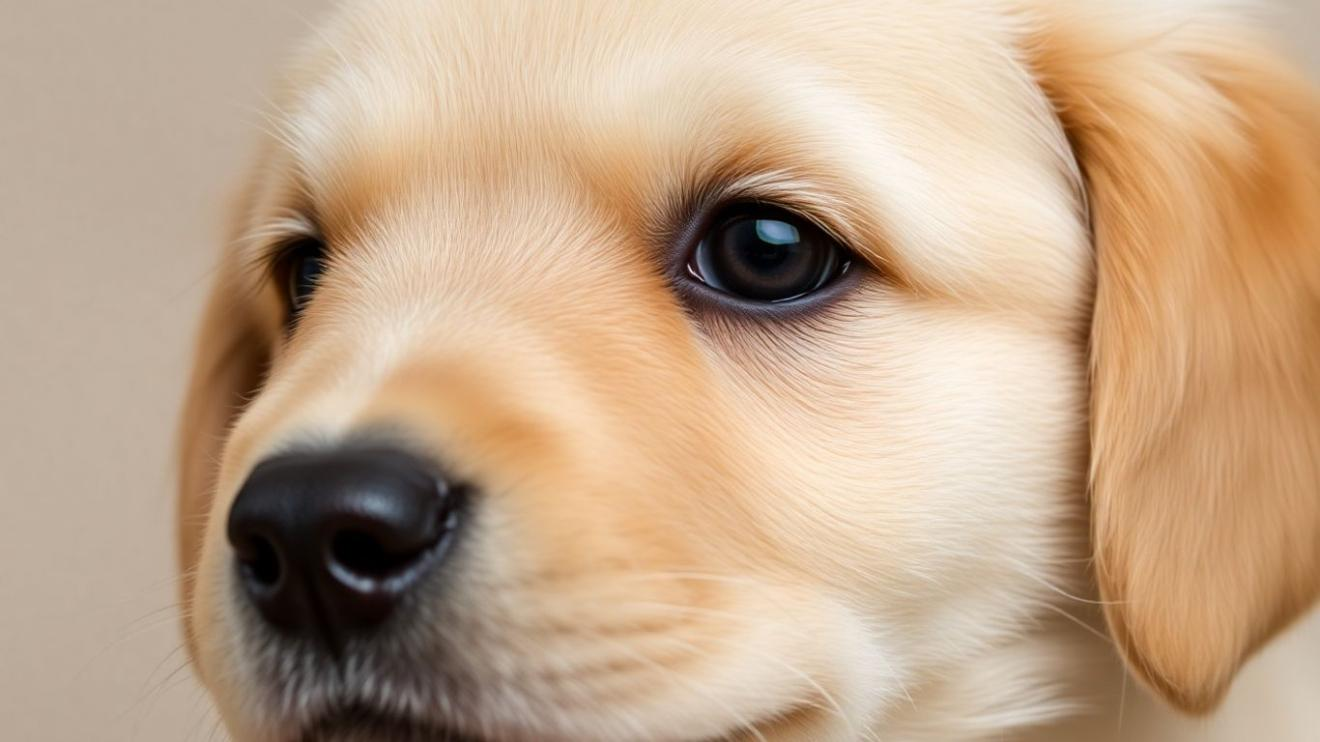
When your vet figures out that your dog’s eye discharge is due to an infection, like a bacterial one, they’ll likely prescribe some sort of antibiotic. This usually comes in the form of eye drops or ointments. It’s super important to use these exactly as directed, even if your dog’s eye starts looking better after a few days. Stopping too early can let the infection come back, and nobody wants that. If it’s inflammation causing the gunk, your vet might suggest steroid eye drops or non-steroidal anti-inflammatory drugs (NSAIDs) to calm things down. These help reduce swelling and discomfort, making your pup feel more comfortable.
Managing Allergies and Irritants
Lots of dogs deal with allergies, and sometimes their eyes show it. If allergies are the culprit behind the watery eyes or discharge, your vet might recommend antihistamines or other allergy medications. Sometimes, it’s not allergies but just something irritating the eye, like dust, pollen, or even shampoo. In these cases, flushing the eye with a vet-approved saline solution can help wash away the irritant. For dry eye, which can also lead to discharge as the eye tries to compensate, artificial tears or lubricating eye drops are often the go-to solution. These help keep the eye surface moist and comfortable.
Surgical Interventions for Structural Issues
Sometimes, the problem isn’t an infection or allergy, but something structural with the eye or the tear ducts. For instance, if a tear duct is blocked, tears can’t drain properly, leading to constant watering and potential discharge. Surgery might be needed to open up or bypass the blocked duct. Other structural issues, like eyelids that roll inward (entropion) or outward (ectropion), can also cause irritation and discharge and may require surgical correction. These procedures are usually reserved for more serious or persistent problems.
It’s always best to follow your veterinarian’s specific treatment plan. They’ve examined your dog and know the underlying cause of the discharge. Trying home remedies without a diagnosis can sometimes make things worse or delay proper treatment, which is especially risky for eye conditions.
Home Care and Prevention Strategies
Taking care of your dog’s eyes at home can make a big difference in preventing problems and helping them heal. It’s not just about cleaning up the gunk; it’s about being proactive.
Gentle Eye Cleaning Techniques
Keeping the area around your dog’s eyes clean is super important. You don’t need fancy stuff, just a soft, damp cloth or a cotton ball soaked in a vet-approved eyewash. Gently wipe away any discharge or crusts from the corners of the eyes. Always wipe away from the eye, never towards it, to avoid pushing debris back in. Use a fresh part of the cloth or a new cotton ball for each eye to prevent spreading any potential infection. If your dog has long fur around their eyes, keeping it trimmed short can stop hairs from poking and irritating the eyeball, which can lead to more tearing and discharge.
Preventing Recurrence of Discharge
Once you’ve dealt with an eye issue, you’ll want to stop it from coming back. This often means figuring out what caused it in the first place. If allergies are the culprit, try to minimize your dog’s exposure to things like pollen, dust, or certain foods. For irritants like smoke or strong cleaning products, just keep them away from your dog’s face. Regular grooming is key, especially for breeds that tend to get gunk in their eyes. Making sure your dog’s vaccinations are up-to-date can also help prevent certain infections that can affect their eyes.
Allergies are one of the most common causes of watery eyes in dogs. To learn how seasonal changes can affect your dog’s health, check out Seasonal Allergies in Dogs
Recognizing Breed-Specific Predispositions
Some dog breeds are just more prone to eye issues than others. For example, brachycephalic (short-nosed) breeds like Pugs and Bulldogs often have shallow eye sockets, which can lead to tear overflow and staining. Breeds with lots of facial folds, like Shar-Peis, can also have problems with irritation. Dogs with prominent eyes, like Cocker Spaniels, might be more susceptible to injuries. Knowing if your dog’s breed has these tendencies means you can be extra vigilant about checking their eyes and keeping them clean. It’s all about being aware of what your specific dog might be up against.
Keeping a close eye on your dog’s eyes, literally, is a big part of responsible pet ownership. Simple daily checks can catch problems early, saving your dog discomfort and you a lot of worry. Don’t hesitate to reach out to your vet if something looks off, even if it seems minor at first.
Administering Eye Medications Effectively
Giving your dog eye medication can feel a bit tricky at first, but with a little practice and patience, you’ll get the hang of it. The most important thing is to stay calm, because your dog can totally sense if you’re stressed out. Following your vet’s instructions precisely is key to helping your furry friend heal.
Preparing for Medication Application
Before you even get near your dog, gather everything you need. This means having the medication, any necessary cleaning supplies (like a soft cloth or cotton balls), and maybe a small, high-value treat ready to go. If your dog needs more than one type of eye medicine, it’s a good idea to organize them so you don’t mix them up. You might want to lay them out in the order they need to be used. Pick a quiet spot where you can comfortably hold your dog without distractions. If you have a helper, even better! They can gently hold your dog while you focus on the application.
Proper Techniques for Drops and Ointments
When it’s time to apply the medication, approach your dog calmly. Gently hold their head steady. For eye drops, you’ll want to pull down their lower eyelid to create a little pocket. Aim the dropper above the eye, not directly at it, and squeeze in the prescribed number of drops. For ointments, it’s similar – pull down the lower lid and gently squeeze a small ribbon of ointment into that pocket. Never let the tip of the dropper or ointment tube touch your dog’s eye or surrounding fur, as this can cause injury and spread germs.
Here’s a quick rundown:
For Drops:
- Gently pull down the lower eyelid.
- Hold the dropper above the eye.
- Squeeze the prescribed number of drops into the pocket.
For Ointments:
- Gently pull down the lower eyelid.
- Squeeze a small ribbon of ointment into the pocket.
- Allow the dog to blink to spread it.
After applying, let your dog close their eyes for a moment. You can gently massage their closed eyelids to help the medication spread evenly, but only if their eye isn’t too sore. Sometimes, tilting their head up for a few seconds can help too.
Making Medication Time Less Stressful
Dogs often associate new experiences with treats, so try to make medication time a positive event. Applying the medication right before a meal or giving a special treat immediately afterward can help. Lots of praise and gentle petting go a long way. If your dog is really resistant, don’t force it to the point of causing distress. Take a break and try again later. If you’re consistently struggling, talk to your vet; they might have alternative application methods or even a different medication that’s easier to administer.
Remember that your dog’s vision might be a little blurry for a short while after you apply the medication. Keep an eye on them to make sure they don’t bump into things or take a tumble, especially if you have stairs.
If you’re using multiple medications, ask your vet about the correct order and how long to wait between each one – usually, it’s about five minutes. And always finish the entire course of medication, even if your dog seems all better. Stopping early can cause the problem to come back.
Wrapping Up Puppy Eye Discharge
So, we’ve talked about why your puppy might have goopy eyes and what you can do about it. Remember, a little bit of crust in the morning is usually no big deal, just wipe it away. But if you see a lot of gunk, or it’s colored like yellow or green, or your pup seems uncomfortable, it’s time to call the vet. They’re the ones who can figure out exactly what’s going on and give you the right treatment. Don’t try to guess or use old remedies, because you could make things worse. Keeping an eye on your dog’s eyes and getting professional help when needed is the best way to keep those peepers healthy and clear. And if you have an older dog who needs extra care overall, you might find this guide on Caring for Senior Dogs especially helpful.
Download Pawrpose Now
Wondering, Why does my dog have eye boogers?” Pawrpose, the AI App for Pets, helps you understand your dog’s health better with smart, empathetic guidance. Get expert-backed tips, track your pet’s well-being, and make every moment with your furry friend safer and happier. Enhance your pet parenting experience today with Pawrpose, available on Google Play Store and App Store.