


Why do people care more for animals than they do about other people?
Why do people feel more empathy for animals than for other people? People from all across the world are still asking this question in comments, on social media, and in discussions. Many describe this difference as Empathy For Animals vs Humans, which often sparks debate. At first, it might sound weird or even inappropriate to argue that animals receive more love than people. But the truth is more intricate than just not caring about others.
Empathy is when you can sense someone else’s misery and wish to help them. In today’s society, the emotional connection to the widespread suffering we see is often too much for us to manage. Animals, on the other hand, pierce through that noise in a way that not many human stories can, which explains why people show empathy for animals but not humans at times.
Key Points
People frequently care more about animals than people because animals seem weaker and more vulnerable. Being in the presence of individuals who are consistently suffering can lead to fatigue from empathising with their plight, whereas witnessing animals in distress immediately evokes feelings of compassion for them. People react this way because of cultural conditioning, emotional ties to dogs, and the mental health benefits that animals provide. Empathy for Animals vs Humans is not intrinsically selective; instead, it is shaped by emotional ability, familiarity, and apparent innocence.
The Emotional Cost of Human Suffering
Every day, people hear awful news tales about wars, poverty, unfairness, and natural disasters. It’s necessary to be conscious, yet the mind can’t withstand all the pain. Over time, the brain makes emotional responses less robust so it can protect itself. This mental defensive mechanism is known as compassion exhaustion.
People start to emotionally detach when they can’t endure the agony anymore, and it keeps happening. The suffering persists, yet it becomes more difficult to perceive oneself as being encompassed by it. People may feel even more alone after a tragedy because it has numerous political, social, and moral dimensions. Many individuals stop reacting because they believe they are powerless, not because they lack concern.
Animals break through this numbness. The animals’ anguish is evident, obvious, and felt in the present moment. There are no difficult storylines or points of view that don’t agree with each other. They are simply living, needing assistance. which strengthens Empathy Towards Animals But not Humans.
Why Empathy for Animals vs Humans Is Stronger When Vulnerability Is Visible.
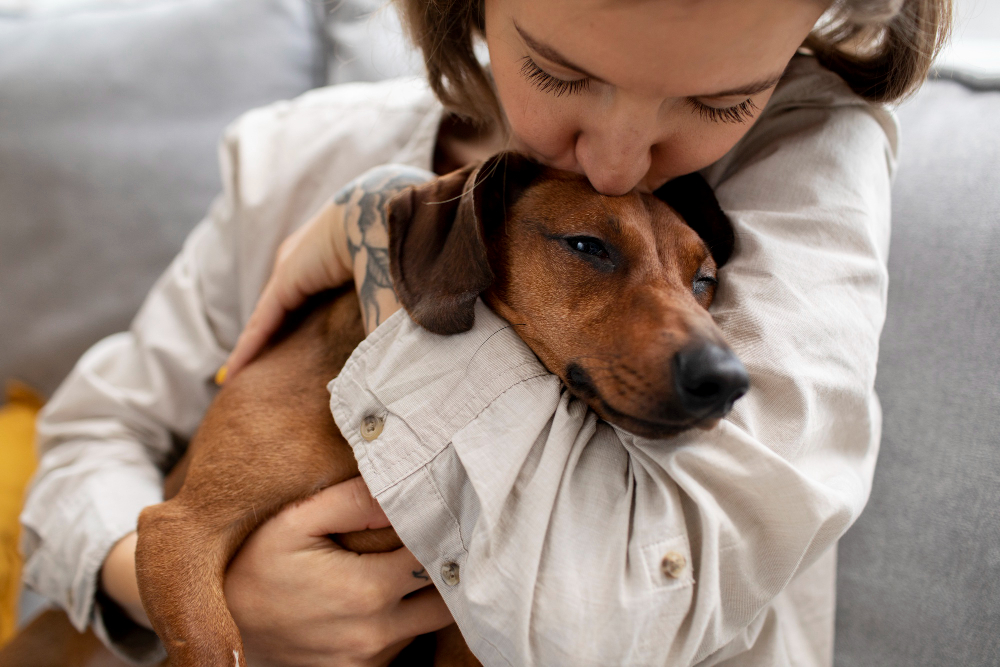
People often feel awful for animals because they think they can’t help them. People can communicate about their sorrow, protect themselves, and beg for help, but animals can’t. This flaw makes us want to defend each other strongly.
Psychological research demonstrates a significant relationship between empathy and perceived dependency. Studies show that people feel the same empathy for babies and animals as for adults. This answer has nothing to do with species; it has to do with being weak. People who appear unable to protect themselves evoke feelings of sympathy in others.
People sometimes imagine that adults can handle or escape danger without even realising it. However, this ability does not extend to babies or animals. That difference has a considerably bigger effect on how we feel than morals or reasoning do.
Learn how understanding your pet’s emotions can strengthen your bond in this related post: Pet Mood Tracker: How Understanding Your Pet’s Emotions Can Change Everything
Purity and Basic Morality
People also feel more Empathy For Animals when they are innocent. People think animals are ethically irresponsible for what they do. They think their agony isn’t fair when they are hurting.
Judgement, on the other hand, often makes human misery worse. People could be curious about their options, the circumstances, or who is at fault. This moral assessment makes people less likely to become upset, even if they don’t mean to. Animals don’t have these ideas, which makes it easier and faster to feel sorry for them.
People still feel pain. This indicates that suffering in animals is not difficult to understand.
Telling Stories and Cultural Conditioning
From a young age, people are taught to care about animals. Kids watch cartoons where animals talk, feel, and act as people do. Animals are commonly portrayed as devoted friends, heroes, or misunderstood characters in novels, cartoons, and movies.
This early exposure makes people feel at ease and close to them. Animals feel familiar. They feel comfortable loving. This conditioning plays a role in Empathy for Animals But Not Humans
The media sometimes presents people suffering in a way that is far distant and difficult to understand. Most news stories tend to prevent individuals from experiencing a genuine sense of connection with one another. The victims are not named, shown in groups, or just numbers. Animals, on the other hand, are typically portrayed by themselves, which makes it simpler to feel their anguish.
Selective Emotional Boundaries and Compassion
Different animals acquire different amounts of empathy. People care a lot about pets like dogs and cats, but not so much about animals on farms. This is termed the ‘meat dilemma’ since it doesn’t make sense.
The brain groups animals together based on how they feel about dealing with this contradiction. Pets are family members. Farm animals are food. There are many animals in the wild. This mental detachment helps people live their lives without continually being in emotional turmoil.
It’s not because you don’t care. This mental detachment serves as a coping mechanism for managing emotional distress.
Why Pets Are So Important
Pets are more than just creatures that live with people. They are pals who care about you. They provide you comfort, structure, and a cause to keep going. Research has repeatedly demonstrated that pets positively impact mental, emotional, and physical well-being.
Pets are always there for people, which makes them feel less alone. They make people desire to be around other people and get up and move. They help decrease stress and blood pressure. The most essential thing is that they are always there for you.
Pets don’t make judgements. They don’t leave when things get difficult. When relationships with people don’t work out, they stay the same.
Discover how pets improve emotional and mental well-being in this related post: The Benefits of Cat Ownership: Health and Happiness Boosts
Pets Are Like Family
Many individuals who have pets don’t conceive of them as things they own. They are family. They witness how individuals live their lives, how they handle their emotions, and how they change as people. Even without words, they create an incredibly strong link.
This is why it hurts so much to lose a pet. The sadness is real and powerful because the relationship was real. People don’t grieve animals because they care more about them than they do about people. They are sad because they cared about them.
Do people truly care for animals more?
People don’t care more about animals than they do about people. What is truly going on is being able to connect with your feelings. People can do something about animal suffering, and it is something that affects them personally. A lot of the time, people think they can’t handle their pain.
There are limits to how much you can care about someone, but not how kind you can be. Many people who love animals also love people. The difference is in how suffering is shown and dealt with.
Finding Balance in Being Open-Minded
You don’t have to compete to be truly sensitive. Taking care of animals doesn’t mean you can’t feel bad for people. You can learn to care more by doing it. The more we let ourselves care, the more empathy we have.
Small things are important. You don’t have to provide money or do large things to be kind. Occasionally, all it takes is paying attention, being patient, and appreciating all kinds of life.
Final Thoughts
Individuals demonstrate less concern for animals because they exhibit a comparable level of indifference towards other humans. They feel more Empathy for Animals vs Humans since they are simple and demonstrate that they are weak. Animals are an easy way to remember to be responsible, remain in touch, and care for others in a world full of noise and too many feelings.
You don’t lose your humanity when you’re kind to animals. It demonstrates this.
Download Pawrpose now
Make pet parenting more intelligent, empathetic, and impactful with Pawrpose, the AI App for Pets. Be part of the movement that is changing the way AI supports pet care in the future, making every moment matter, one paw at a time. Enhance your pet parent experience with Pawrpose, available now on Google Play Store and App Store