


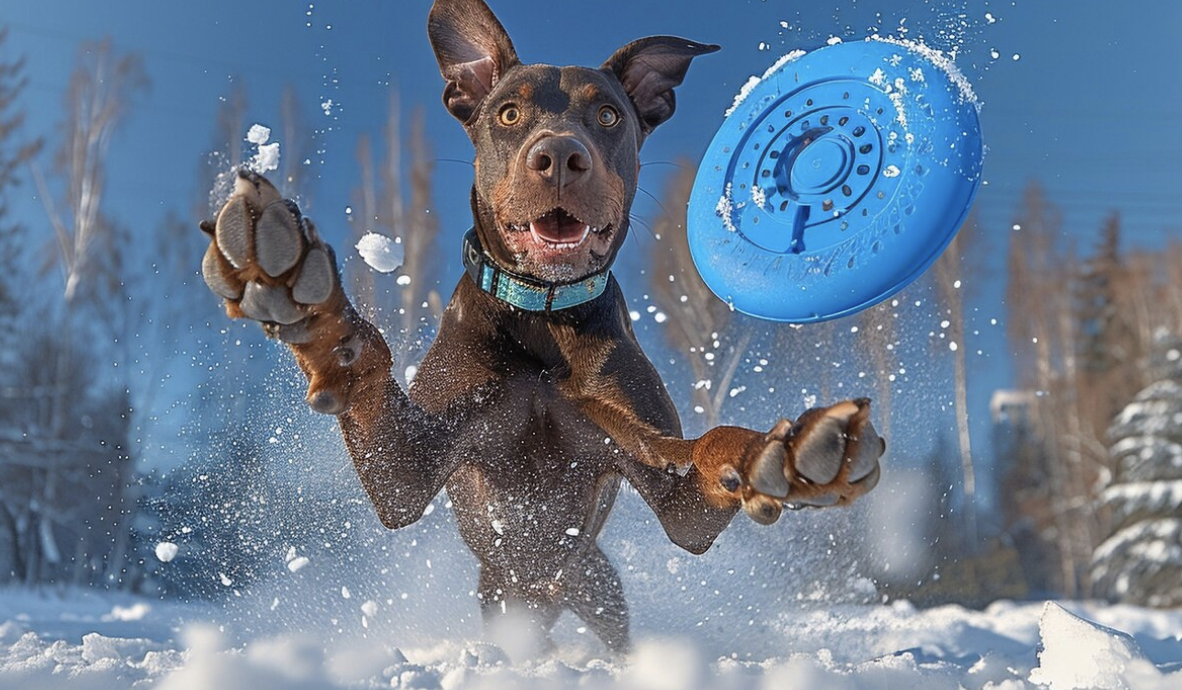
Winter brings with it the beauty of snow-covered mornings, cosy blankets, and long nights spent indoors, but what about your dog activities in winter? However, winter is also challenging for dog owners. It can be harder to keep dogs active, happy, and stimulated when the weather is cold, the pavements are icy, and the days are short.
Even when it’s cold outside, dogs still need to move around and think every day. Without it, people become bored, act out, and lack the energy to engage. The good news is that you don’t have to go outside in bad weather or walk for a long time to stay active in the winter. You can keep your dog healthy, happy, and busy all season long if you use your imagination.
This guide talks about safe, fun, and useful dog activities in winter. It focuses on indoor activities, adaptations for cold weather, and ways to keep dogs mentally stimulated that work for dogs of all ages and energy levels.
Why Winter Activity Matters for Dogs
Activity helps with more than just staying fit. Moving around keeps joints flexible, helps control weight, improves digestion, and is good for the heart. Mental engagement is just as important. When dogs are bored, they often come up with their own ways to have fun, which their owners usually dislike.
During the winter, dogs may pace, chew, bark too much, or be clingy. These habits aren’t bad. They are signs. Many of these problems go away on their own when you give your dog enough exercise. You don’t have to work out hard or for a long time in the winter. The exercise just needs to be varied and consistent.
Indoor Fetch
People often consider fetch to be a game that can only be played outside, but it works surprisingly well indoors. You can transform a hallway, basement, or even a cleared-out living room into a fetch lane. Roll or toss a soft toy on the floor and let your dog chase it.
The key to making indoor fetch work is to do it over and over in short bursts. A few minutes here and there add up quickly. Some owners make the game more fun by walking with their dog or cheering them on, making it a shared experience instead of a solo sprint. Safety is important here. Rugs or carpeted areas are best because slippery floors can make you slide.
Explore our guide on Interactive Games and Activities to keep your dog entertained.
Using Stairs for Energy Release
If your dog can do stairs, stair games are great for winter. Throwing a toy up or down a short flight of stairs makes dogs move quickly, which burns off energy quickly.
This kind of exercise works the leg muscles and raises the heart rate without taking up a lot of time. Always watch over the sessions and keep them short. Stairs aren’t safe for puppies, older dogs, or dogs with joint problems, but they can be a wonderful way for healthy adult dogs to get some exercise inside.
Tug-of-War as a Full-Body Game
Tug-of-war often receives insufficient recognition from people. It looks easy, but it works your whole body and keeps your mind busy. Pulling strengthens muscles, and the back-and-forth action keeps your dog focused on you.
Tug-of-war is especially useful in the winter because it doesn’t need a lot of space or setup. It gets even better when you add structure. Asking your dog to drop the toy, wait, or restart on cue transforms the game into a physical and mental challenge. When dogs don’t get enough stimulation outside, this combination is just what they need.
Turning Your Home Into an Obstacle Course
You don’t need any special equipment to set up an indoor obstacle course. You only need chairs, pillows, blankets, and boxes to make a small agility course. Dogs like to weave through furniture, jump over soft things, and crawl under low spaces because it makes them use both their bodies and their brains.
Leading your dog through the course with a toy or treat will help them stay focused and build their confidence. The turns make them think about where their body is in space, which is surprisingly tiring. When a room they know well suddenly becomes a challenge, many dog owners are surprised at how interested their pets become.
Practise Doga: Dog Yoga
Not every winter activity has to be full of energy. Dog yoga, or doga, is all about stretching, moving slowly, and relaxing. Winter can make dogs’ joints stiffer, especially older ones. Gentle stretching can help keep them flexible and comfortable.
Doing slow movements together also helps dogs who are anxious or restless calm down. Even just lying quietly next to you while you stretch can help you relax. Doga is less about doing the perfect pose and more about finding calm together, which is something that winter routines often lack.
Mental Games That Replace Long Walks
When the weather keeps you from being outside, you need to do mental exercise. Puzzle toys, games that give out treats, and scent work keep dogs busy long after they’ve finished playing. Sniffing and solving problems take a lot of mental energy, and dogs are often calmer after doing these things than after a short walk.
Homemade puzzles that are easy to create are equally effective. Putting treats in towels or under cups makes kids want to explore and keep going. These games are great for days when you have a lot of energy but can’t go outside.
Treadmill Training for High-Energy Dogs
For dog owners whose pets are very active, treadmill training can be a helpful addition in the winter. Not all dogs like it, and it takes time, but if you introduce it slowly, it can be a way for them to get exercise in bad weather.
The most crucial aspect is to monitor progress carefully. You should never force a dog onto a moving treadmill, and the sessions should be short and fun. It won’t replace being outside, but it can help you manage your energy in bad winter weather.
Indoor Hide-and-Seek
Hide-and-seek uses a dog’s natural ability to smell. Hiding treats, toys, or even yourself around the house makes normal places smell like puzzles. This game helps you remember things better, boosts your confidence, and gives your brain a workout that feels like fun, not work.
Beginning with easy tasks and gradually making them harder keeps the game interesting. Dogs often really enjoy this activity, especially breeds that like tracking or nose work.
Take Advantage of Indoor Dog Parks
Look for indoor pet centres or heated dog parks when the winter chill keeps everyone inside. These spaces usually have room to sprint, toss balls, and mingle with other friendly pups. Many even feature agility rigs, splash pools, or running trails to keep things fresh. This is the perfect place for dog activities in winter.
Check local apps or community boards and find a nearby indoor dog park or Pet Store that welcomes pups, then grab a leash and head out for a cheerful trip together.
Winter afternoons offer perfect quiet time to teach Rally fresh tricks or sharpen skills he already knows. Spend just five minutes sitting, spinning, or playing dead, tossing treats and praise whenever he gets it right. New moves tire his brain and tighten the bond you share, while showing off at the next family gathering earns you the role of proud pet parent.
If snow keeps friends at home, invite their leashed pups over for a living-room playdate. A friendly game of chase after tug-of-war uses up energy faster than a long walk. Before the dogs arrive, make sure to dog-proof the shelves, plan a safe area, and tuck away anything fragile or tempting for curious mouths.
Final Thoughts
Your dog doesn’t have to slow down in the cold months; there are plenty of dog activities in winter. If you are creative and stick with it, the cold months can be a time to bond, learn, and have fun. The best things to do with your dog in the winter are the ones that fit their personality, energy level, and physical needs.
No matter how hot or cold it is outside, a tired dog is a happy dog. Keeping your dog active and interested during the winter is good for their health, and it will help you get close to them one cosy day at a time.
We at Pawrpose wish you a winter full of movement, warmth, and wagging tails 🐾
FAQ Winter Dog Activities
Q: What makes dog activities in the winter so important?
A: Even in the winter, dogs need to move around and use their brains every day. They can get bored, anxious, or destructive without it.
Q: Can you really get enough exercise indoors?
A: Yes, for many days. During the winter, a dog often needs a mix of indoor play, mental games, and short breaks outside.
Q: How much exercise does my dog need in the winter?
A: Most dogs need the same amount of exercise all year, but it can be split up into shorter, indoor sessions when needed.
Q: What are the best things for dogs to do in the winter in apartments?
A: Good games to play in small spaces include tug-of-war, puzzle games, hide-and-seek, training sessions, and hallway fetch.
Q: Do older dogs still play in the winter?
A: Yes, but they shouldn’t do a lot of intense exercise. Instead, they should focus on gentle movement, mental stimulation, and comfort.
Download Pawrpose Now
And if you want personalised feeding guidance, tailored to your dog’s breed, weight, allergies, and lifestyle, download Pawrpose and try our Diet AI. It answers diet questions instantly and helps you build a plan that fits your pet’s needs. Pawrpose, the AI App for Pets, helps you understand your dog’s health better with smart, empathetic guidance. Get tips, track your pet’s well-being, and make every moment with your furry friend safer and happier. Enhance your pet parenting experience today with Pawrpose
Download Pawrpose, available on Google Play Store and App Store.
We also prepared a small step-by-step guide to Adopting a Petto share with family or friends who want to adopt a pet.
#AnimalShelters #PetAdoptionPlatform #PawrposeForShelters #AnimalRescue #PetFosterProgram #ShelterDonations #PetAdoptionEvents #PetRescueApp