Have you ever seen your dog roll around in something gross and wondered why? Or have you ever seen your cat staring at a blank wall as if it could see another dimension? If you have pets, you’ve probably Googled their unusual nighttime behaviour to see if it’s normal.
You’re not thinking too much about it. Pets can be challenging to understand because they only know how to talk to you. They can’t put their feelings into words, so they show you. The good news is that once you learn about instincts, emotions, and environments, most behaviours are easy to understand.
This guide provides clear, useful answers to the most common questions about dog and cat behaviour. No hard-to-understand words. This guide provides practical and applicable explanations.
Key Takeaways for “Top Dog and Cat Behavior Questions”
Most pet behaviors are rooted in instinct, not “bad attitude”.
Sudden behavior changes are more concerning than long-standing habits.
Boredom and lack of stimulation cause many common behavior problems.
Dogs and cats use behavior as communication.
When behavior is paired with physical symptoms, consult a vet.
Why Do Dogs Eat Grass?
This is one of the most common questions people look up online about dog behaviour. Many dog owners think it means their dog is sick. That is true sometimes, but not always Dogs may eat grass because they have a mild stomachache, are bored, are curious, or just like the way it feels and tastes. Dogs’ ancestors ate plants in the wild, so it’s not strange that they eat grass.
If your dog eats grass every now and then and acts normally, it’s usually fine. But you should call your vet if it happens a lot and is accompanied by vomiting, diarrhoea, or lethargy. Adding mental stimulation and checking the quality of the diet often helps break the habit on its own.
Why Do Dogs Lick Excessively?
One of the main ways dogs talk to each other and calm down is by licking. They lick to show they care, to calm down, to clean themselves, or to get your attention. When licking becomes obsessive, especially on paws or certain body parts, that’s when the worry starts. That could mean allergies, anxiety, or even pain.
Try to figure out what caused the behaviour instead of punishing it. Has anything changed at home? New food? Not as much exercise? Increasing physical activity and interactive play can often help with licking that is caused by stress.
Why Do Dogs Tilt Their Heads?
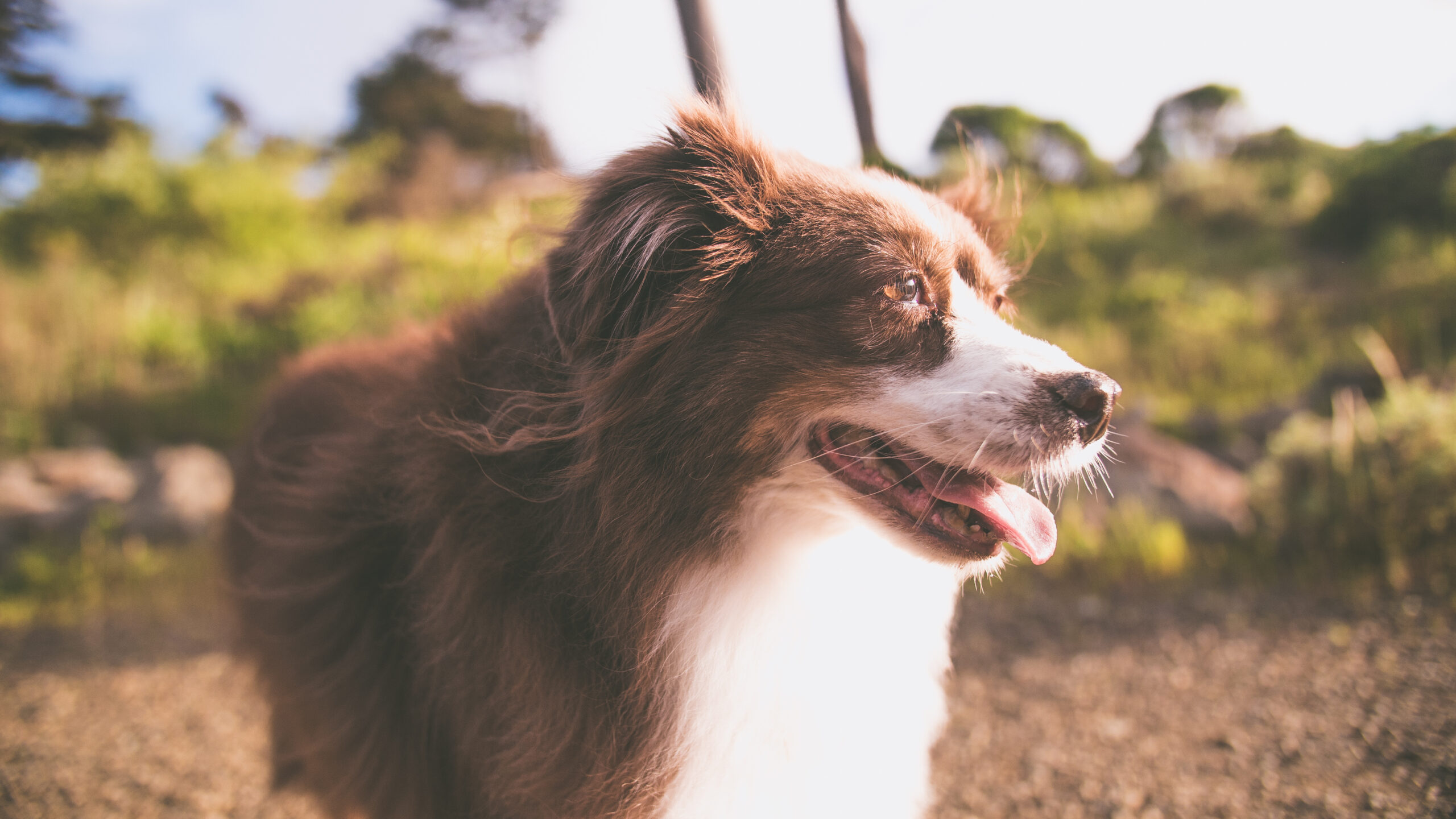
That classic head tilt isn’t just adorable. Dogs tilt their heads to better understand sounds and facial expressions. They want to know what you’re saying.
Some scientists think that tilting their heads helps them find the source of a sound. Some people say it makes it easier for them to see your face. In either case, it’s usually a sign that your dog is interested and focused, not confused.
Why Do Dogs Roll in Smelly Things?
As unpleasant as it is, rolling in strong smells is instinctive. In the wild, masking their scent helped dogs hunt more effectively. It may also serve as a way to bring “interesting information” back to their pack.
Unfortunately, modern parks no longer offer the same pleasant scent options that nature once did. Training strong recall and supervising outdoor time are the best ways to manage this behaviour.
Why Does My Dog Bark So Much?
Barking is a natural way to talk to each other. Dogs bark to let you know something is wrong, to show excitement, to show fear, or to show boredom. Finding the trigger is the most important thing. Is your dog responding to sounds from outside? People who pass by? Being by yourself?
Instead of yelling, teach your dog the word “quiet” and give them a treat when they are quiet. Volume doesn’t matter as much as consistency. In many cases, getting more exercise can help stop dogs from barking too much.
Why Does My Dog Follow Me Everywhere?
Dogs are social animals. Following you can mean that someone is interested in you, wants to be with you, or has learned to do it. If you always give them attention when they get close, they’ll do it again.
But if your dog gets upset when you leave, that could be a sign of separation anxiety. Signs of this include destructive behaviour, barking all the time when alone, or accidents in the house.
Structured alone time and training for gradual independence can help you feel more sure of yourself.
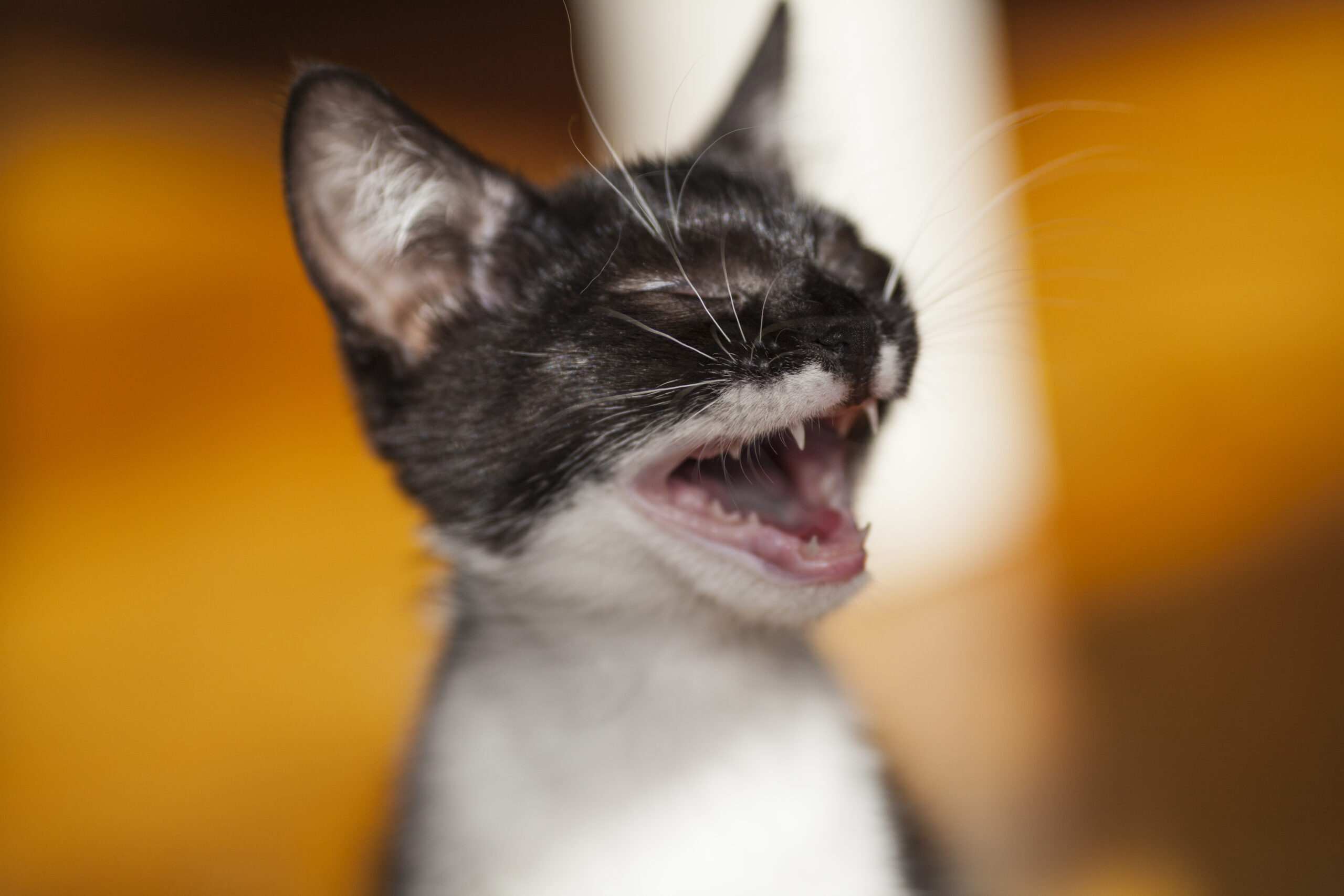
Why Do Cats Purr?
Most people believe that purring is a sign of happiness. While this is often the case, it’s not the complete story. Cats also purr when they’re scared, hurt, or trying to calm down. It vibrates to calm you down and may even help you heal.
If your cat is purring while it’s relaxed, kneading, or resting next to you, it’s usually happy. But if your cat is purring and also hiding, not eating, or acting strangely, you should pay attention.
Why Do Cats Knead?
Kneading starts when a kitten is very young. Kittens knead their mum to get her milk to flow. They keep doing it as adults when they feel safe and at ease.
Cats also use their paws to mark their territory because they have scent glands in them. When your cat kneads your lap, it’s a sign that they like you. That means they trust you.
Why Do Cats Get the Zoomies?
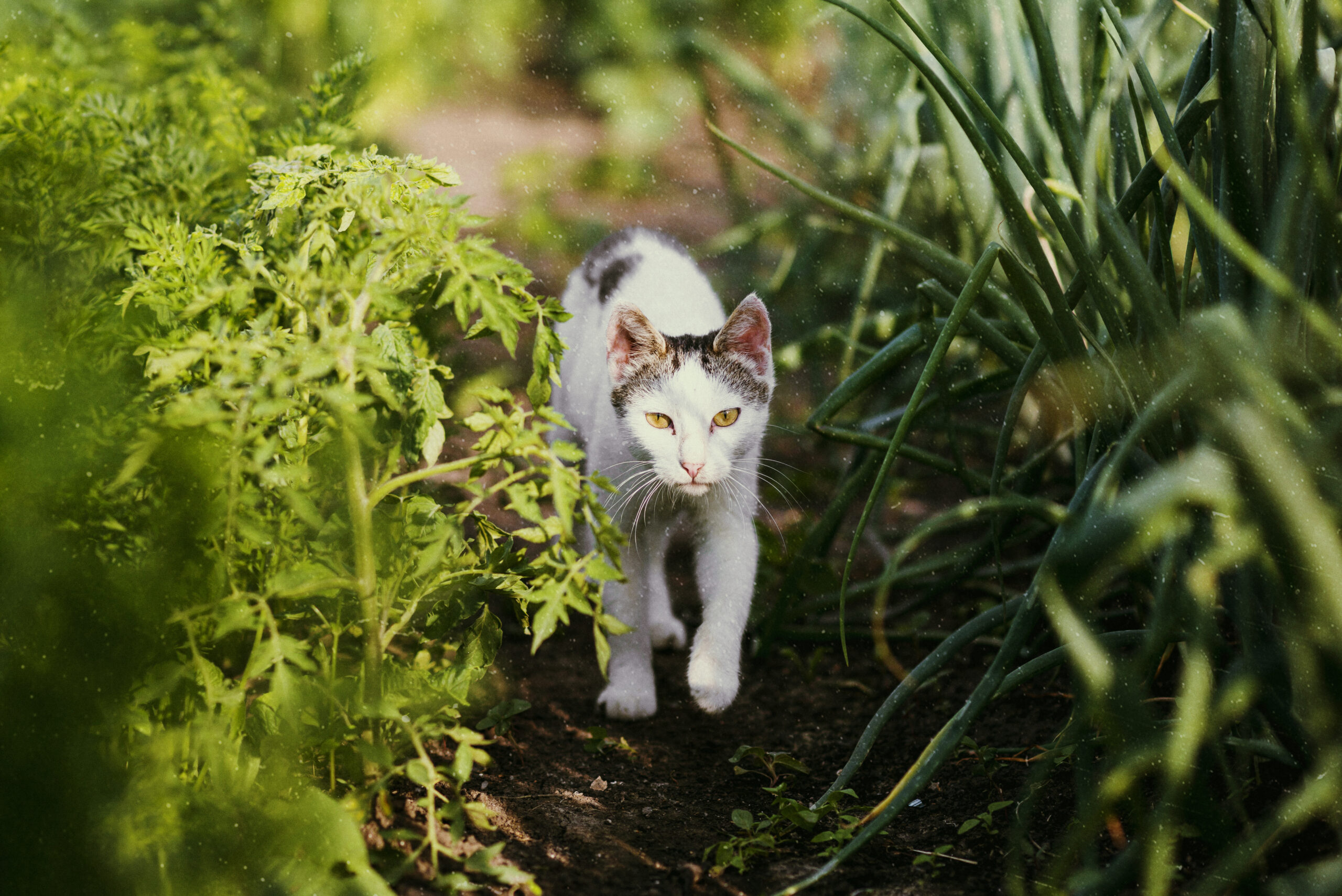
It’s natural for cats to experience sudden surges of activity, usually in the evening. They are crepuscular, which means they are most active in the early morning and late evening.
A lot of energy or natural hunting instincts frequently produce zoomies. Structured play is essential for indoor cats because it lets them follow and chase their prey. Your cat should run around the home a couple of times a day. More active play every day can help children calm down if they are angry or terrified.
Why Does My Cat Knock Things Off the Table?
It may seem like it was done on purpose, but it wasn’t. Cats are very curious and can sense movement very well. When they push things, they’re seeing how they react.
They also learn quickly that knocking something over will get your attention. Even bad attention can make the behaviour stronger. Giving kids climbing shelves, puzzle toys, and time to play every day keeps them from getting bored and causing trouble.
Why Does My Cat Hide?
When cats are stressed, overstimulated, or sick, they hide. It’s normal for them to hide for a short time after loud noises or visitors.
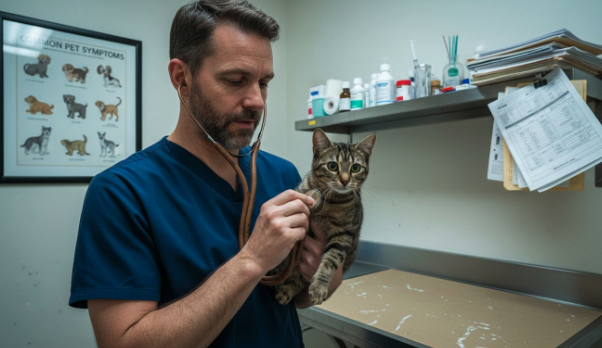
Long-term hiding, along with a lack of appetite or tiredness, is abnormal. Cats are good at hiding pain, so changes in behaviour are often the first signs that something is wrong. If your pet keeps hiding for more than a day or two and has other symptoms, call your vet.
When Should You Be Concerned About Pet Behaviour?
Read the answers to these top questions about dog and cat behaviour to understand what’s normal. But there is one rule that is more important than the rest.
When behaviour changes suddenly, becomes extreme, or comes with physical symptoms, you should be worried. Pets do best when they have a routine. A big change can mean stress, illness, or a change in the environment.
Trust patterns over single events.
How to Improve Pet Behavior Naturally
Many behaviour problems improve when pets get enough structure, exercise, and mental stimulation. A pet that is exhausted and mentally stimulated is usually calmer and balanced.
Daily playtime, puzzle feeders, training exercises, and routines help things stay the same. Positive reinforcement is better than punishment because it teaches your pet what to do.
A little change in stimulation can lead to big changes in behaviour.
Final Thoughts
The biggest change in how you answer questions about dog- and cat-behavior is realising that behaviour is a form of communication. Your pet isn’t being mean, stubborn, or over-the-top. They are reacting to their instincts, their surroundings, their emotions, and their health.
Instead of asking how to stop the behaviour, first ask what it means. Just asking that question will make you a better pet owner.
FAQ: Top Dog and Cat Behavior Questions Answered
Q: Why has my dog suddenly become more aggressive?
A: A medical problem or stress is often to blame for sudden aggression. The first thing you should do is take your pet to the vet.
Q: Is it normal for cats to sleep a lot during the day?
A: Yes. Adult cats usually sleep for 12 to 16 hours every day.
Q: How can I stop my dog from being bad?
A: Get more exercise, keep your mind active, and stick to a regular schedule.
Q: Why does my cat bite me when I pet him?
A: Some cats get too excited. Look for signs of trouble, such as flicking the tail or turning the ear.
Q: What’s the most common reason for bad behaviour?
A: Boredom and a lack of structured activity are two big reasons why dogs and cats act out.
Download Pawrpose Now
And if you want personalised feeding guidance, tailored to your dog’s breed, weight, allergies, and lifestyle, download Pawrpose and try our Diet AI. It answers diet questions instantly and helps you build a plan that fits your pet’s needs. Pawrpose, the AI App for Pets, helps you understand your dog’s age in human years, health, and behaviour better with smart, empathetic guidance. Get tips, track your pet’s well-being, and make every moment with your furry friend safer and happier. Enhance your pet parenting experience today with Pawrpose.
Download Pawrpose, available on Google Play Store and App Store.