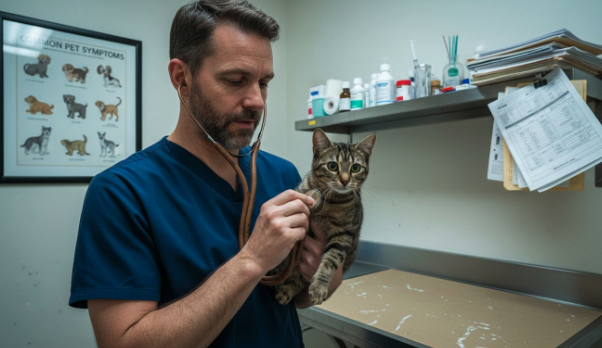
You know why so many pet owners look for pet insurance costs if you’ve ever gotten a surprise $2,000 vet bill. This isn’t just a question out of curiosity; it’s a real question based on real money. Pet insurance is still one of the best ways to keep your pets safe without giving up good care or financial stability in 2026.
Could you please estimate how much you anticipate paying? Could you please consider whether purchasing pet insurance is more beneficial than managing the financial burden of unexpected expenses?
Both questions need honest and correct answers.
Key Takeaways
- The average pet insurance cost in the U.S. is about $56 per month for dogs and $32 per month for cats for accident and illness coverage.
- Accident-only plans are cheaper, sometimes starting around $15–$25 per month.
- Your pet’s age, breed, and location significantly impact your premium.
- Higher deductibles lower your monthly cost, while higher reimbursement rates increase it.
- Pet insurance protects against large, unexpected vet bills, not routine expenses unless wellness coverage is added.
- Enrolling your pet while young typically locks in lower long-term rates.

Image from Freepik
What Pet Insurance Costs in the U.S. in 2026
The national average monthly premium for accident and illness coverage for dogs is $56, and for cats, it is $32.
These averages are based on policies with standard deductibles (usually between $250 and $500), reimbursement rates of 70% to 90%, and annual limits that can be as low as $5,000 or as high as unlimited.
Accident-only policies are cheaper because they only cover injuries like broken bones or swallowing things, not illnesses like cancer, allergies, or infections. Depending on the type of animal and where it lives, those plans can cost between $15 and $30 a month.
If you want unlimited annual coverage with a low deductible and 90% reimbursement, your dog’s monthly premiums could go up to $70 to $90. Even with more coverage, cats usually stay under $50.
Why Dogs Cost More to Insure Than Cats
Dogs usually cost more because they need more medical care than other pets. They are more likely to get hurt, have orthopaedic problems, and have certain inherited diseases.
Large breeds, on the other hand, cost more because they tend to have more joint problems and live shorter lives. Smaller mixed-breed dogs typically incur lower costs due to their lower likelihood of inheriting health issues from their families.
Cats, especially those that live inside, usually have fewer accidents and lower treatment costs, which keeps their premiums lower.
How Age Impacts Pet Insurance Cost
Age is one of the most important things that affects price.
It will cost a lot less to insure a puppy that is one year old than a dog that is seven years old. As pets get older, insurance companies raise their premiums to cover the higher health risks. It’s normal for premiums to go up slowly each year.
That’s why a lot of vets say to get your pets signed up when they are young and healthy. Not only are the rates lower, but you also don’t have to worry about exclusions for pre-existing conditions.
What Affects Your Exact Premium?
Several things will affect how much you actually pay:
- Your ZIP code is important because the cost of veterinary care varies by area. Because clinics charge more in cities, premiums are often higher there.
- Your deductible, which is the amount you pay out of pocket before insurance coverage kicks in, has a direct effect on how much you pay each month. If you have a $1,000 deductible instead of a $250 deductible, your premium will be lower.
- The rate at which you get paid back is also important. Selecting 90% reimbursement incurs higher monthly costs compared to 70%, but it results in lower out-of-pocket expenses during a claim.
Limits on how much you can spend each year also matter. Unlimited annual coverage costs more up front, but it gives you the best financial protection in bad situations.
Is Pet Insurance Worth It?
This depends on how much money you have and how much risk you can handle. In the U.S., emergency surgeries usually cost between $1,500 and $5,000. Some cancer treatments can cost more than $8,000. People with chronic illnesses like diabetes or heart disease need to take medicine and be watched all the time, which can add up quickly.
If you were stressed out if you had to pay several thousand dollars out of the blue, pet insurance can give you a lot of peace of mind. You might want to self-insure if you already have a well-funded emergency savings account just for pet care.
Pet insurance isn’t so much about saving money every month as it is about avoiding the worst-case financial scenario.
How to Lower Your Pet Insurance Cost
Sign up early. Pets that are younger can get lower premiums. If you can comfortably pay a bigger bill out of pocket in an emergency, choose a higher deductible.
If you want to budget separately for routine care like vaccinations, don’t add on optional wellness extras. Before you make a decision, look at more than one provider. The same pet profile can cost a lot of different amounts at different companies.
Final Thoughts
The average cost of pet insurance in 2026 illustrates that the expense of going to the vet is increasing all over the US. It may seem like a lot of money to spend every month, but it will save you a lot of money in the long term.
At Pawrpose, we believe that a conscientious pet owner is someone who is always ready for the unexpected. No matter if you acquire pet insurance or set up your own emergency fund for your pet, the purpose is the same: to make sure your pet always gets the treatment they need.
FAQ: Pet Insurance Cost Questions People Ask
Q: How much does it cost to insure a pet in the U.S. each month?
A: The average monthly cost of pet insurance in the US is about $56 for dogs and $32 for cats. This covers accidents and illnesses. Your pet’s age, breed, location, deductible, reimbursement rate, and annual coverage limit all affect how much you pay each month. Puppies and kittens usually have lower monthly rates than older pets.
Q: What makes dog insurance cost more than cat insurance?
A: The cost of dog insurance is usually higher because dogs make more claims and need more expensive medical care. Insurers have to pay more for claims because larger breeds are more likely to have joint problems, torn ligaments, and inherited conditions. Cats, especially indoor cats, are less likely to get hurt and have to pay less for treatment, which lowers the average monthly premium.
Q: Does pet insurance pay for vaccinations and regular care?
A: Most standard pet insurance plans for accidents and illnesses don’t cover vaccinations, yearly checkups, or preventive care. But a lot of providers offer optional wellness add-ons that pay for things like vaccines, flea prevention, dental cleanings, and wellness visits. Adding this coverage will raise the cost of your pet insurance each month.
Q: Does pet insurance pay for vaccinations and regular care?
A: Most standard pet insurance plans for accidents and illnesses don’t cover vaccinations, yearly checkups, or preventive care. But a lot of providers offer optional wellness add-ons that pay for things like vaccines, flea prevention, dental cleanings, and wellness visits. Adding this coverage will raise the cost of your pet insurance each month.
Q: Is it worth it to get pet insurance for cats that live inside?
A: Despite the lower risk of injury for indoor cats, pet insurance remains a valuable investment. Treatment for serious diseases like cancer, diabetes, kidney disease, or urinary blockages can cost thousands of dollars. Insurance can help you protect your money and give you peace of mind if you have to pay a large, unexpected vet bill.
Q: What is the least expensive pet insurance choice?
A: An accident-only plan is usually the cheapest way to insure your pet. These policies cover injuries like broken bones or things that get stuck in your throat, but not illnesses. Depending on your pet’s species, breed, age, and location, accident-only coverage can cost as little as $15 to $25 a month. These plans are cheap, but they don’t cover as much as full accident and illness coverage.
Q: When is the best time to get pet insurance?
A: The best time to get pet insurance is when your pet is young and healthy. Puppies and kittens have much lower premiums, and signing up early helps keep you from being denied coverage for pre-existing conditions. If you wait until your pet gets sick, you might have to pay more for insurance or not be able to get coverage for some conditions.
Download Pawrpose Now
And if you want personalised feeding guidance, tailored to your dog’s breed, weight, allergies, and lifestyle, download Pawrpose and try our Diet AI. It answers diet questions instantly and helps you build a plan that fits your pet’s needs. Pawrpose, the AI App for Pets, helps you understand your dog’s age in human years, health, and behaviour better with smart, empathetic guidance. Get tips, track your pet’s well-being, and make every moment with your furry friend safer and happier. Enhance your pet parenting experience today with Pawrpose.
Download Pawrpose, available on Google Play Store and App Store.