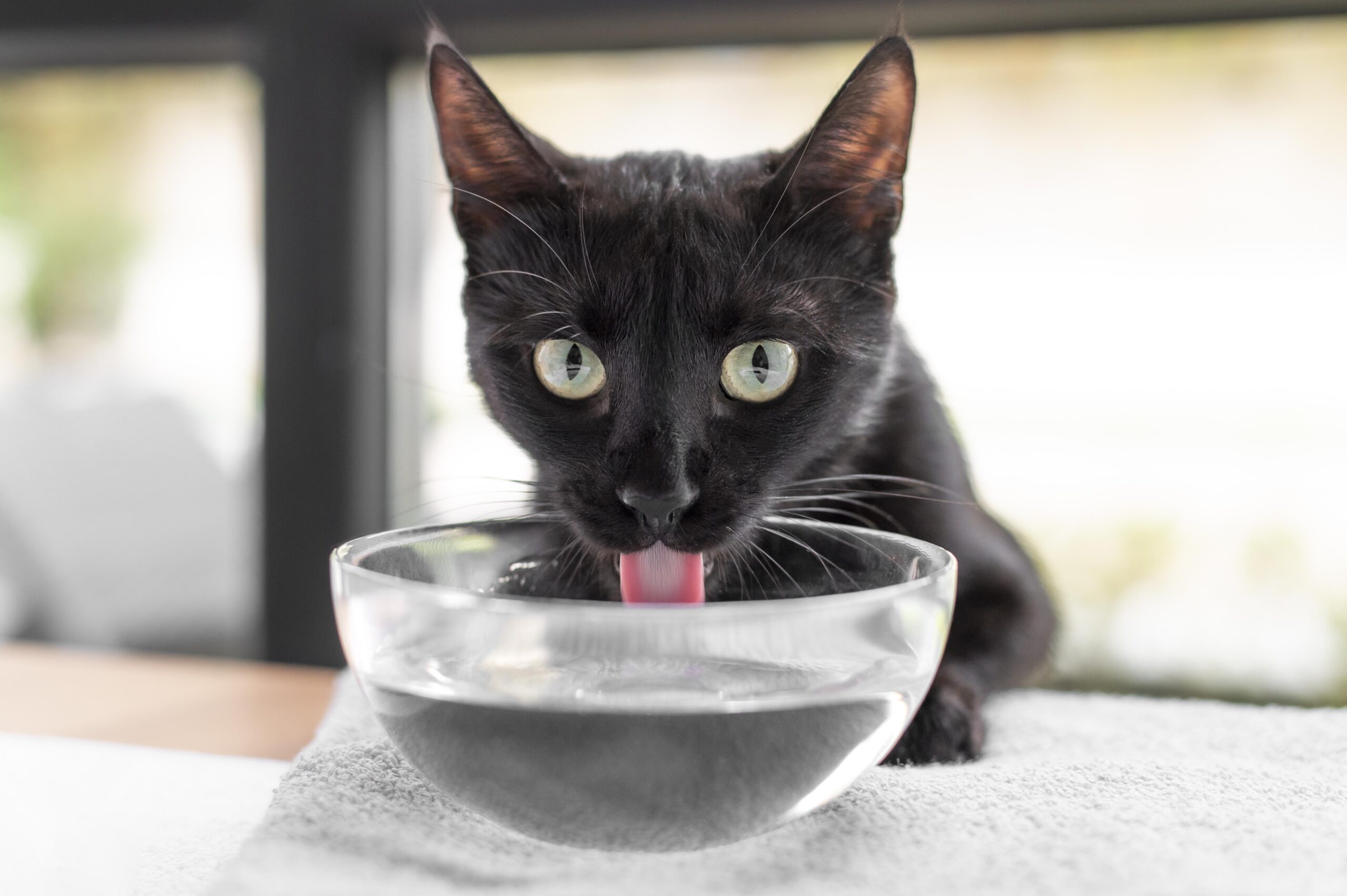



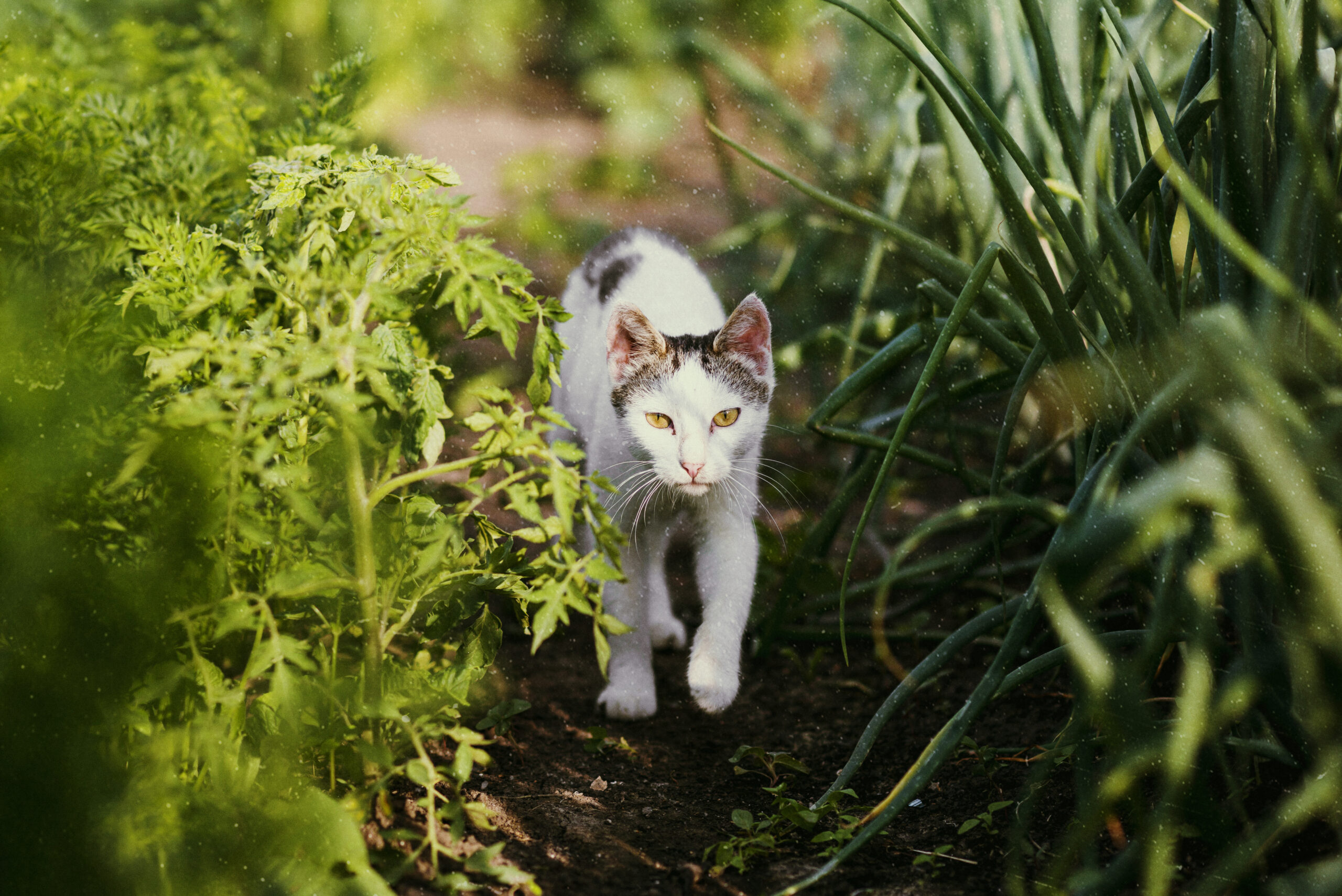
You have probably thought about this simple but important question if you have a cat: Should my cat live inside or outside?
Some people see a happy outdoor cat that can roam around, soak up the sun, and do what it wants. Some people think that living inside is safer and more peaceful because there are fewer dangers and more time together.
The reality likely lies somewhere between these two perspectives. You can live inside or outside, and both have their pros and cons. Your decision can have a direct impact on your cat’s health, happiness, and lifespan. This article takes a clear, honest look at the differences between indoor cats and outdoor cats so you can decide what is best for your feline companion. Helpful reference on lifespan: Cat Years to Human Years – The Complete Guide for Cat Owners
We will mostly talk about the outdoor cat because that way of life brings up the most questions, worries, and myths.
Understanding the Indoor Cat Lifestyle
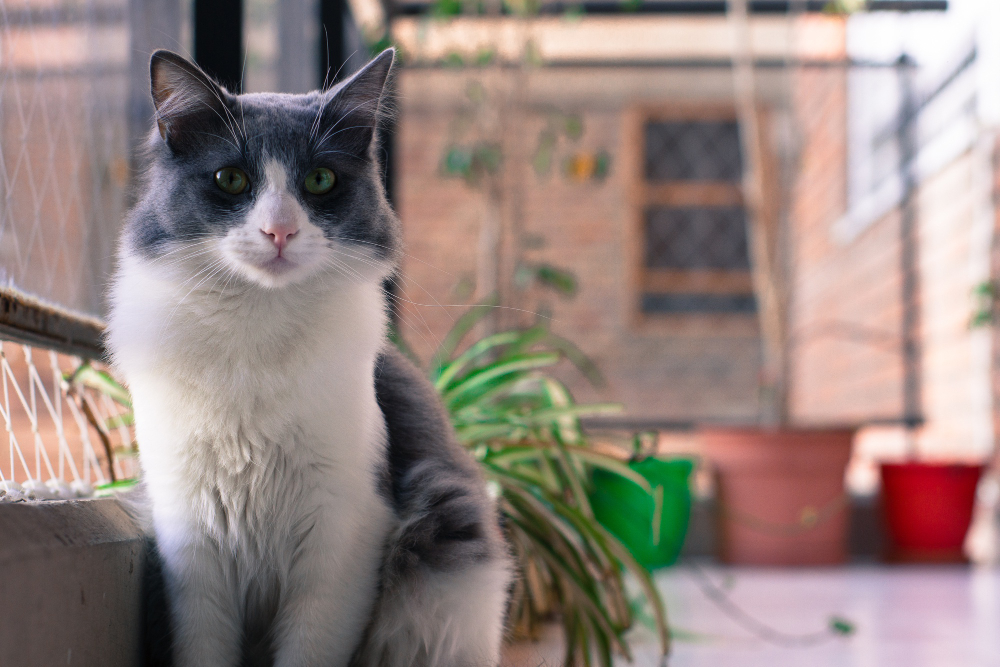
Indoor cats spend their whole lives inside. They depend on their owners for food, entertainment, safety, and medical care. Some people are worried that indoor cats will get bored or lazy, but a well-kept indoor space can be rich, captivating, and safe.
Advantages of Living Indoors
Indoor cats are safe from many of the things that can kill a cat early. These include car accidents, animal attacks, illness, and adverse weather conditions.
Living indoors offers several advantages:
- Less chance of getting hurt or hurt
- Less exposure to parasites and diseases that spread through contact
- Always having access to food and clean water
- Monitoring health and behaviour becomes easier.
Because of these things, cats that live indoors usually live longer.
See how to improve Indoor life: Designing the Perfect Indoor Environment for Your Indoor Cat
Problems for Indoor Cats
The hardest thing for indoor cats is not to get bored. If they don’t get enough mental and physical activity, they might start acting out or gain weight. If your indoor cat scratches furniture, eats too much, or becomes withdrawn, it may be a sign that it needs more stimulation.
Toys, climbing areas, window perches, and regular playtime can help keep these problems from happening.
Choosing the right rewards also helps: Healthy Cat Treats: What to Give and What to Avoid
Toys, climbing areas, window perches, and regular playtime can help keep these problems from happening.
The Outdoor Cat Lifestyle Explained
An outdoor cat has the freedom to go outside at any time, whether for the entire day or only a portion of it. Some outdoor cats live in the countryside, where there are big open spaces, while others live in busy city neighbourhoods.
Cats that live outside often seem confident, curious, and active. They can climb, hunt, explore, and do things that indoor cats can’t do.
Why People Want to Live with Outdoor Cats
Many cat owners think that letting their cats go outside lets them act naturally. Hunting, exploring their territory, and soaking up the sun are all instincts for cats.
People often let their cat outside for these reasons:
- The idea that freedom outside makes people happy
- Cultural norms that allow cats to roam outside
- Not much room inside
- Cats that really don’t want to stay inside
These reasons are understandable, but they don’t make living outside any safer.
Health Risks Faced by an Outdoor Cat
Even in quiet neighbourhoods, an outdoor cat is in much more danger than an indoor cat. A lot of these risks are hard to predict and can’t be avoided.
Things that are bad for outdoor cats
Cats that live outside are at risk of:
- Cars and traffic
- Wildlife, cats, and dogs that are aggressive
- Fleas, ticks, and worms are examples of parasites.
- Diseases that can spread, like FIV and feline leukaemia
- Getting sick from plants, chemicals, or food scraps
- Very bad weather
A cautious outdoor cat can still run into trouble without warning. One bad moment can hurt you badly or even kill you.
Problems with Veterinary Care
Outdoor cats often hide their pain or illness, which makes it harder for their owners to find problems early. You might not notice a limp, a bite wound, or an infection until they worsen.
Outdoor cats live shorter lives than indoor cats because they receive delayed care.
Modern solutions discussed here: AI Pet Welfare Technology
Mental and Physical Health: Indoor vs Outdoor Cats
Health is more than just staying alive when you compare indoor cats to outdoor cats. It also includes your mental health, stress levels, and overall quality of life.
Comparing Physical Health
Cats that live inside:
- They are less likely to get hurt badly
- Have controlled diets, which can help people lose weight when done right
- Usually get regular care from a vet
Cats that live outside:
- Get more exercise in nature
- More likely to get hurt or sick
- Food quality often changes
Outdoor cats may seem healthier, but the long-term effects of injuries and diseases are often worse than the benefits.
Stress and Mental Stimulation
Outdoor cats are always getting stimulation from their surroundings, but this stimulation can also cause stress. Disputes over territory, loud noises, and threats from predators can all make anxiety worse.
Indoor cats can safely receive mental stimulation by playing, training, and making their environment more interesting.
The Impact of Environment on Lifespan
The lifespan is one of the most obvious differences between indoor and outdoor cats.
Research and veterinary data consistently demonstrate that indoor cats have a markedly longer lifespan compared to outdoor cats. Most indoor cats live between 12 and 18 years, and some even live into their early 20s.
The average lifespan of an outdoor cat, on the other hand, is much shorter.
-
2–5 years on average
-
Some outdoor cats may reach 6–8 years of age, but this is far less common.
Things that can change how long an outdoor cat lives are:
- Where you live (in the city or in the country)
- Getting food and shelter
- Getting spayed or neutered
- Being around traffic and predators
- Care from a veterinarian
Even well-cared-for outdoor cats face uncontrollable risks.
Can an Outdoor Cat Live a Long, Healthy Life?
Some outdoor cats do live a long time, especially if they live in a rural area with few cars and their owners pay attention to them. But these are not typical cases.
A cat that spends time outside with supervision or in a small space, like a catio, gets fresh air more often and with less risk. This compromise could help you find a way to have fun and stay safe at the same time.
Choosing the Best Thing for Your Cat
It’s not about deciding whether to live inside or outside. It’s about knowing the risks and making smart choices.
Take a moment to think about this:
- Is it safe for a cat to be outside where I live?
- Can I give my cat enough to do inside?
- Am I ready for the costs and dangers of living outside?
No cat is the same. Some cats adapt to living inside quickly, while others need time and creativity to make the switch.
Final Thoughts
Letting an outdoor cat roam free sounds nice, but it has its drawbacks. Cats that live inside are healthier and live longer than cats that live outside. That doesn’t mean you should never go outside; it just means you should be careful when you do.
By making good choices, giving your cat more things to do, and keeping them safe, you can help them live a long, happy, and safe life.
Download Pawrpose Now
And if you want personalised feeding guidance, tailored to your dog’s breed, weight, allergies, and lifestyle, download Pawrpose and try our Diet AI. It answers diet questions instantly and helps you build a plan that fits your pet’s needs. Pawrpose, the AI App for Pets, helps you understand your dog’s health better with smart, empathetic guidance. Get expert-backed tips, track your pet’s well-being, and make every moment with your furry friend safer and happier. Enhance your pet parenting experience today with Pawrpose
Download Pawrpose, available on Google Play Store and App Store.